

Implant-Supported Fixed Prosthesis: Full-Arch Rehabilitation Clinical Case with DESS®
In this clinical case, Prof. Fawaz Al-Qahtani presents a complete rehabilitation of the upper jaw using an implant-supported fixed prosthesis with DESS® solutions. The treatment combines regenerative surgery, prosthetic planning and a precise restorative workflow to achieve a functional, stable and aesthetic clinical outcome.
Beyond the final result, the case illustrates how DESS® components can support surgical and prosthetic planning in a full-arch implant rehabilitation, from implant placement to the definitive restoration.
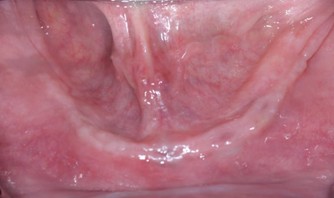
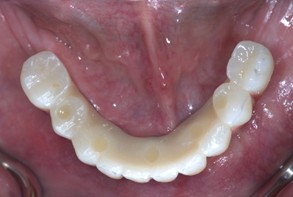
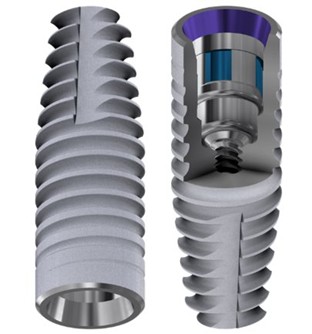
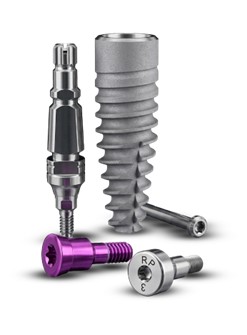
Primary stability and clinical predictability with DESS® CONICAL BLT
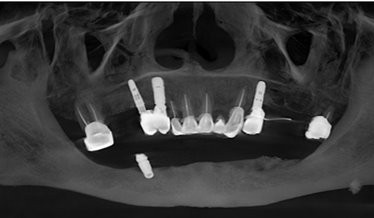
Following clinical and radiographic diagnosis using CBCT, a complete fixed rehabilitation of the upper jaw was planned. The surgical protocol included extraction of the upper teeth and placement of six DESS® CONICAL BLT implants, a relevant solution for this type of implant supported fixed prosthesis.
Why DESS® CONICAL BLT was relevant in this case
- Internal 15° conical connection designed to support mechanical stability and reduce micromovements.
- Primary stability in complex implant protocols.
- Self-tapping apical design to improve insertion control.
- OST by DESS® surface designed to support predictable implant osseointegration.
- Mechanical stability to help reduce the risk of prosthetic screw loosening when protocols are correctly followed.
High-precision rehabilitation with DESS® components
After healing and osseointegration, the case moved into the restorative phase using different DESS® prosthetic solutions. This stage was decisive in transforming the initial plan into a precise and functional full arch implant restoration.
DESS® solutions used in this case
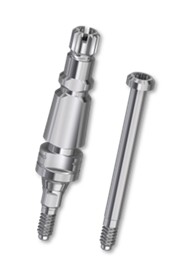
- DESS® CONICAL BL Scanbody
- CONICAL BL impression transfer
- DESS® healing abutments
The integration of these components helped create an efficient restorative workflow, improving communication between clinician and laboratory and supporting the accuracy of fit and passivity of the definitive restoration.
Digital implant workflow with DESS® Scan Abutments
The digital impression was taken using DESS® scan bodies, allowing the position of the implants and peri-implant tissues to be transferred into the CAD/CAM workflow. In this digital implant workflow, the use of DESS® Scan Abutments supported intraoral capture and continuity between the clinical and laboratory stages.
The design of the dental scanbody supports accurate capture during intraoral scanning and incorporates technologies such as Periocoat® and SelectGrip®, developed to improve component performance.
Key benefits of the scanbody design
- SelectGrip® technology to improve intraoral scanning capture and reduce reflections.
- Periocoat® coating (ZrN) to increase resistance and durability of the component.
- Optimised geometry for precise transfer within the CAD/CAM workflow.
- Intraoral visibility and compatibility with multiple CAD libraries.
Passive fit in implant-supported prostheses
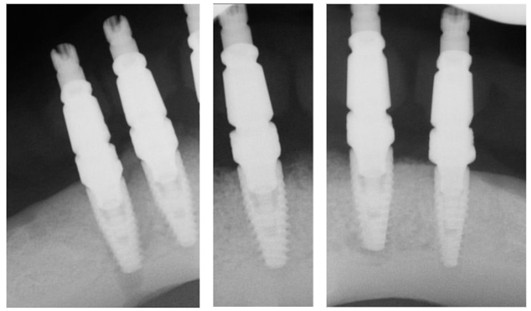
To maximise precision in the definitive restoration, CONICAL BL impression transfers and an acrylic verification jig were used. This control of passive fit in implant-supported prostheses was important to reduce the risk of misfit and improve the predictability of the implant-supported fixed prosthesis.
Advantages of DESS® transfers and prosthetic components
- Precise fit on the implant connection.
- Stability during impression taking.
- Optimisation of passive fit in the final restoration.
- Reduction of mechanical and prosthetic complications when components are selected and used according to the clinical indication.
Aesthetic integration and prosthetic function
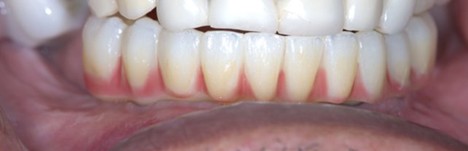
After prototype try-in and functional and aesthetic validation, a full-arch screw-retained fixed prosthesis on implants was fabricated, restoring from position #16 to #26.
The final restoration was placed following the recommended protocols, achieving a stable, aesthetic and functional rehabilitation. The case demonstrates how a full arch implant prosthesis can combine restorative precision, digital continuity and clinical predictability when each step is carefully controlled.
DESS® solutions for today’s digital dentistry
This clinical case demonstrates how a complete portfolio of DESS® solutions can help simplify complex rehabilitations and support clinical predictability in treatments with implant-supported fixed prostheses.
From surgery to the definitive restoration, DESS® solutions are designed to improve treatment precision, prosthetic stability and integration of the clinical-laboratory digital workflow.
Discover the complete clinical case on our website: Clinical Case Prof. Fawaz – DESS®


-
Titanium in Implantology: A Scientific Perspective
 September 15, 2026
 -
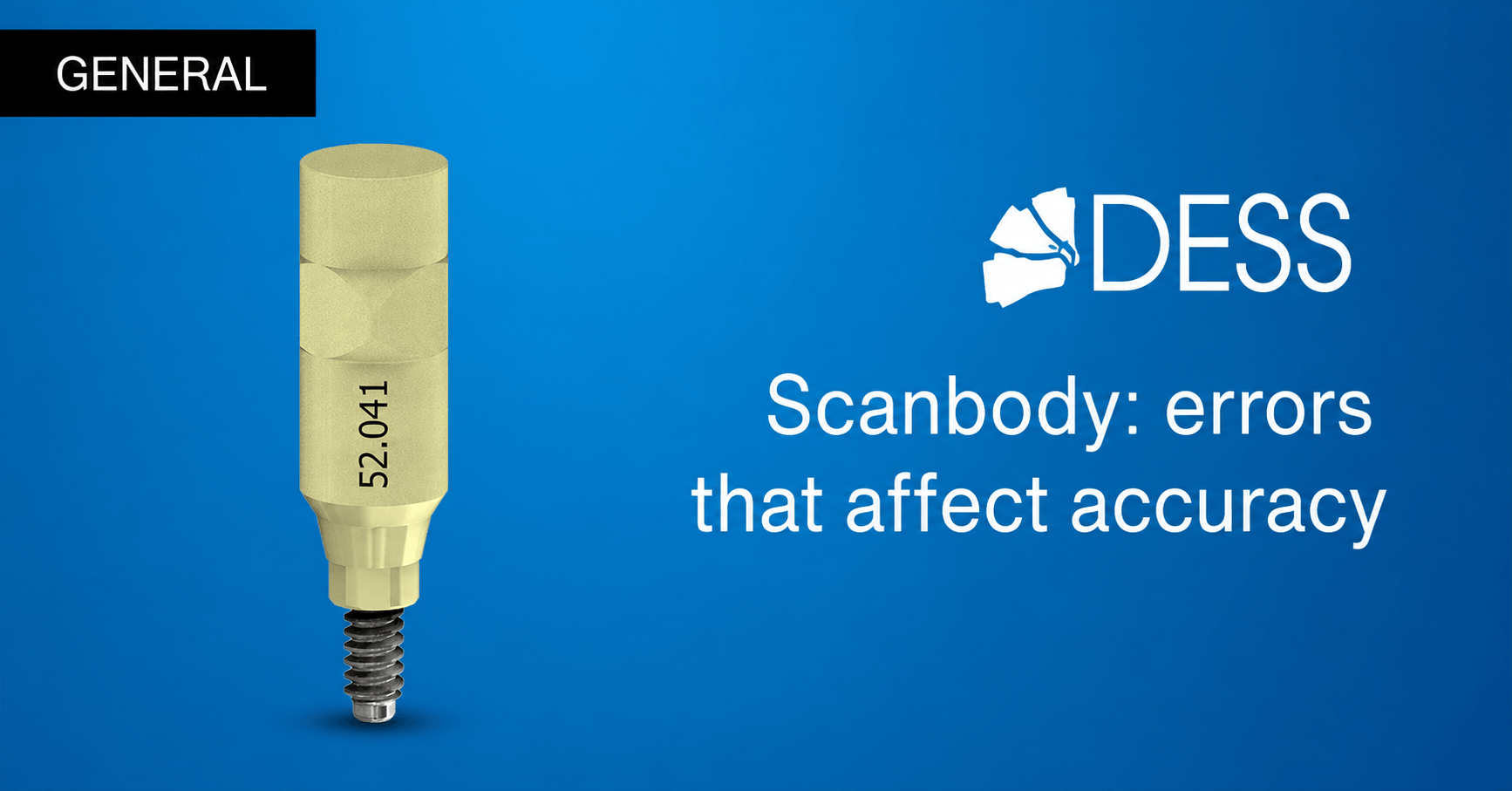
Scan Bodies for Dental Implants: Common Errors That Affect Restoration Accuracy
 August 28, 2026
 -
Peri-Implant Soft Tissue and the Long-Term Success of Implant-Supported Restorations
August 21, 2026
-
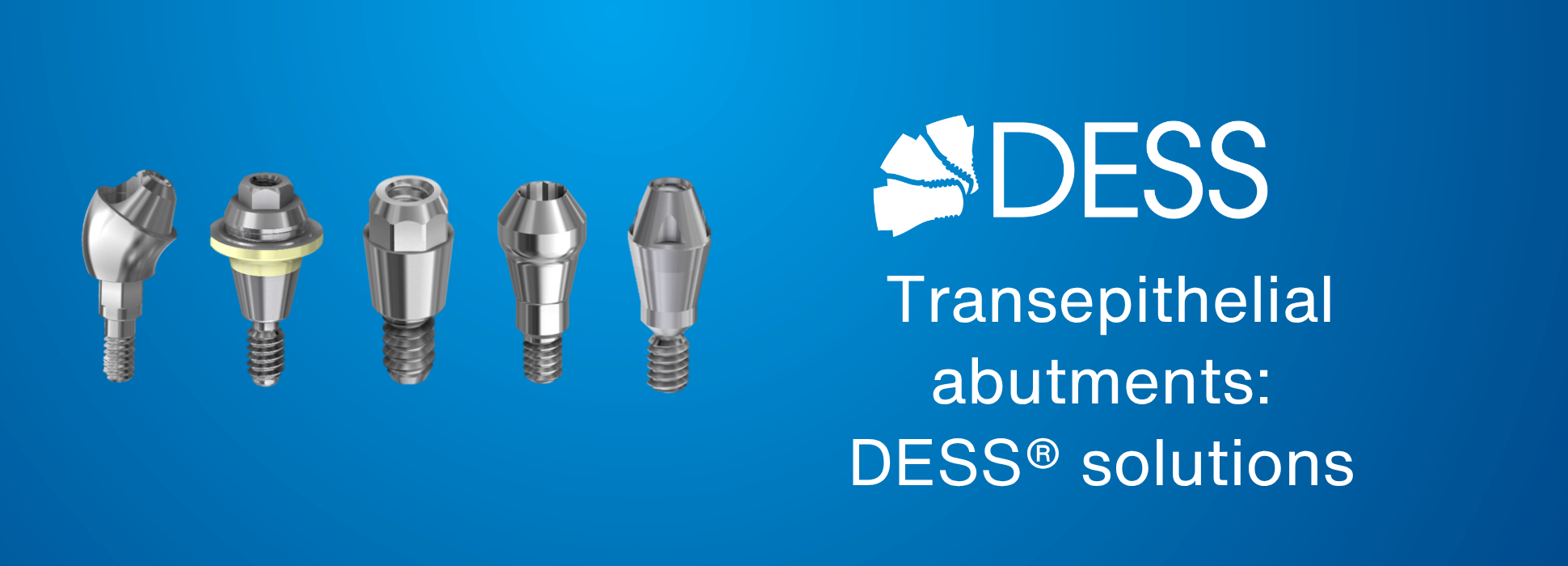
Transepithelial abutments: DESS® solutions for screw-retained implant restorations
 July 29, 2026
 -
KOL Interview: Digital Workflows, Precision & Predictable Implant Restorations
 July 28, 2026