

KOL Interview: Digital Workflows, Precision & Predictable Implant Restorations
KOL Interview: Digital Workflows, Precision & Predictable Implant Restorations
Kamal Jawabra — Aesthetic Vision, Riyadh, Saudi Arabia
Digital workflows are transforming the way dental laboratories plan, design and produce implant restorations. From CAD/CAM and 3D printing to improved component libraries and more precise manufacturing processes, technology is helping labs work with greater consistency, efficiency and predictability.
In this interview from our DESS® Lab & CAD/CAM KOL Series, we speak with Kamal Jawabra, Lab Owner at Aesthetic Vision in Riyadh, Saudi Arabia, about complex full-arch restorations, the impact of digital technology on lab–clinic collaboration, and why accuracy at the implant–abutment interface remains essential for predictable long-term outcomes.
Key takeaways
- Complex full-arch and aesthetic restorations require a combination of technical expertise, digital precision and high-quality components.
- CAD/CAM and 3D printing are reshaping lab workflows by offering more solutions and improving collaboration with clinicians.
- Many workflow issues start early, especially during data capture, software/library management and material selection.
- Accuracy at the abutment interface, precise machining and strong quality control are non-negotiable for passive fit.
- Investing in quality components is essential to increase predictability and reduce remakes.
About the KOL
- Name: Kamal Jawabra
- Role: Lab Owner
- Location: Riyadh, Saudi Arabia
- Laboratory: Aesthetic Vision
- Expertise: Full-arch restorations, bars, zirconia, CAD/CAM and hybrid restorations
- Experience: 29 years
- Digital stack: 3Shape, imes-icore and exocad
1) Background & evolution
What kind of cases do you focus on most today?
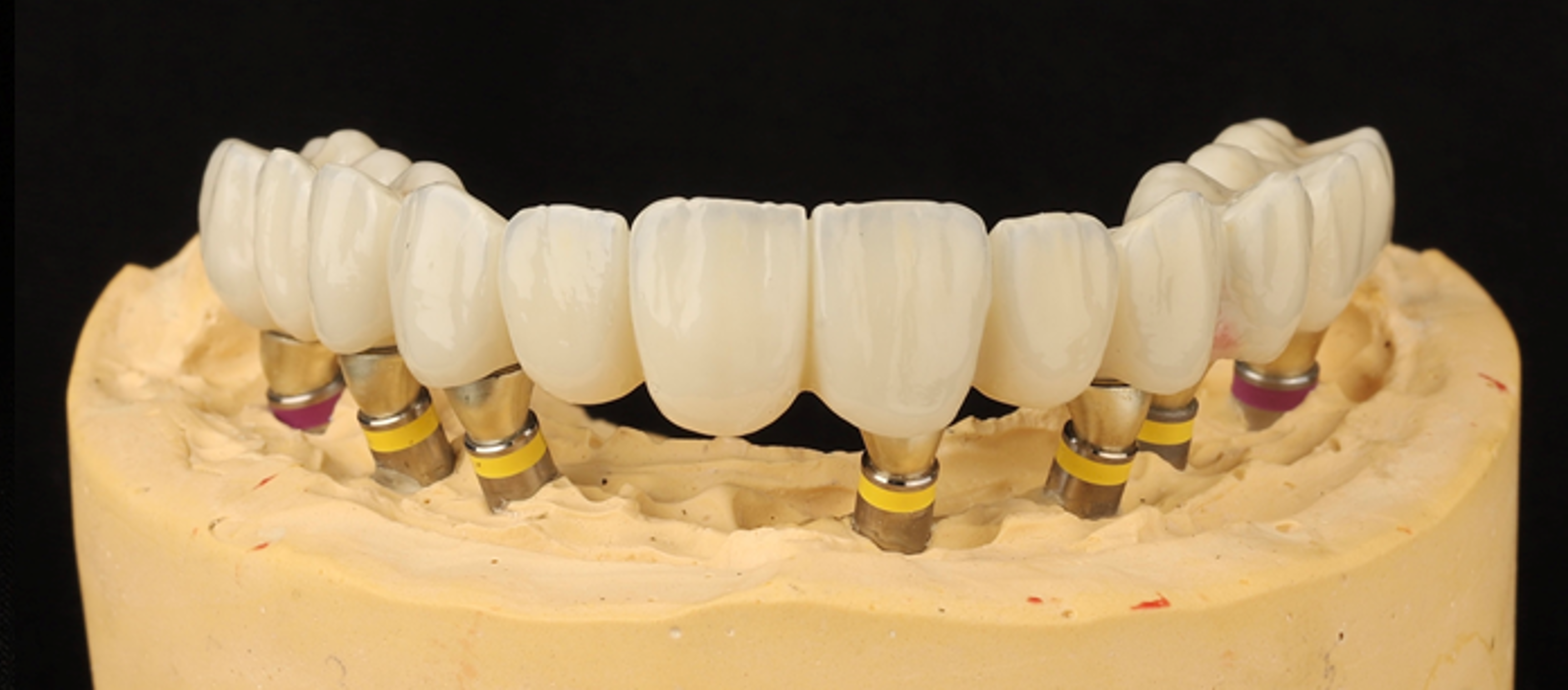
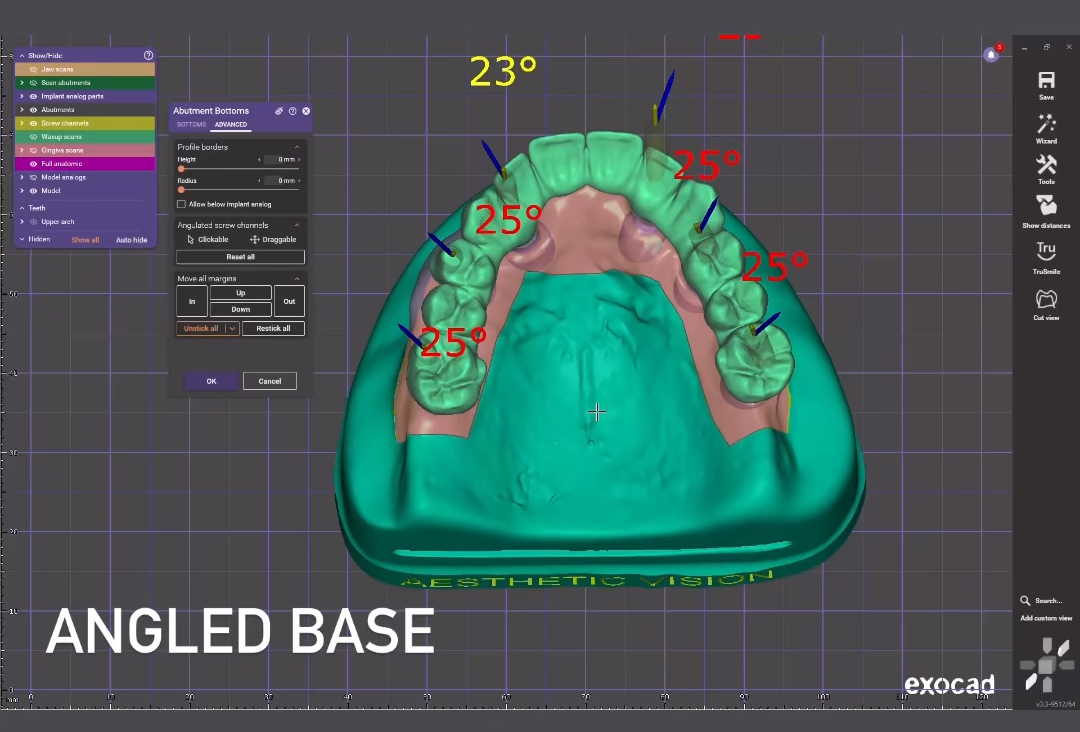
Today, my main focus is on complex full-arch restorations and highly aesthetic cases. These types of restorations require a very precise workflow because every detail has an impact on the final result — from the initial information received from the clinic to the design, material choice, manufacturing process and final fit.
In full-arch cases, the laboratory plays a key role in translating the clinical plan into a restoration that is functional, aesthetic and predictable. That is why digital tools, accurate components and clear communication with the clinician are essential throughout the entire process.
What has changed the most in implant prosthetics over the last 10–15 years?
The biggest change has been the development of digital technology, both on the clinic side and in the laboratory. Digital workflows have improved the way information is captured, shared and processed, making collaboration between clinicians and technicians more efficient.
Today, we can work with more accurate data, better design tools and more advanced manufacturing systems. This has changed the way labs approach implant prosthetics, especially in complex rehabilitations where predictability and precision are critical.
“Digital technology has transformed both the clinic and the laboratory side of implant prosthetics.”
2) Trends & workflow optimization
Which trend is reshaping lab work the most right now?
CAD/CAM and 3D printing are among the most important trends reshaping laboratory work today. They provide more solutions for different clinical situations and allow labs to work with greater flexibility, consistency and control.
These technologies also improve collaboration between clinics and laboratories. When digital information is accurate and complete, the lab can plan and execute restorations more efficiently, reducing uncertainty and helping clinicians achieve more predictable outcomes.
In a fully digital workflow, where do problems most often start?
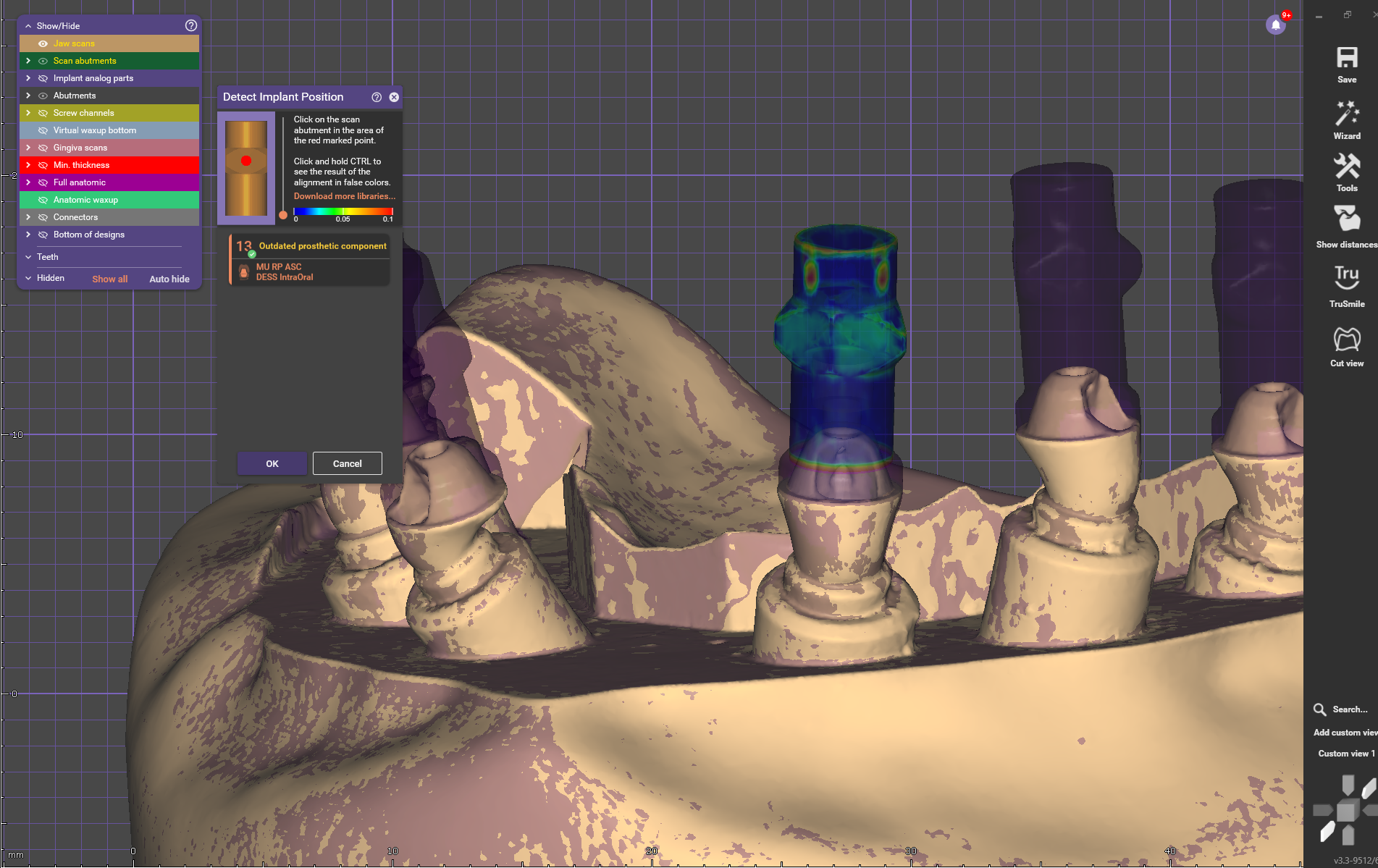
In many cases, problems begin during data capture. If the information received by the lab is incomplete or inaccurate, it can affect every following step of the workflow.
Other common challenges include the management of digital libraries, software updates and material selection. A digital workflow depends on many connected elements, so accuracy must be maintained from the very beginning. When scans, libraries, software and materials are properly controlled, the workflow becomes more predictable and efficient.
“In a digital workflow, accuracy must start from the very beginning — with data capture.”
3) Precision & interface quality
What are your non-negotiables to ensure accuracy and passive fit at the implant–abutment interface?
For me, the most important factors are accuracy of the abutment interface, precise machining, quality checks and the materials used. The implant–abutment interface is one of the most critical areas in implant prosthetics, because even small inaccuracies can affect the fit and long-term stability of the restoration.
Passive fit requires a combination of reliable components, precise manufacturing and strict quality control. Every step must be checked carefully to ensure that the final restoration performs as expected.
In complex rehabilitations, what details do clinicians often underestimate from a lab perspective?
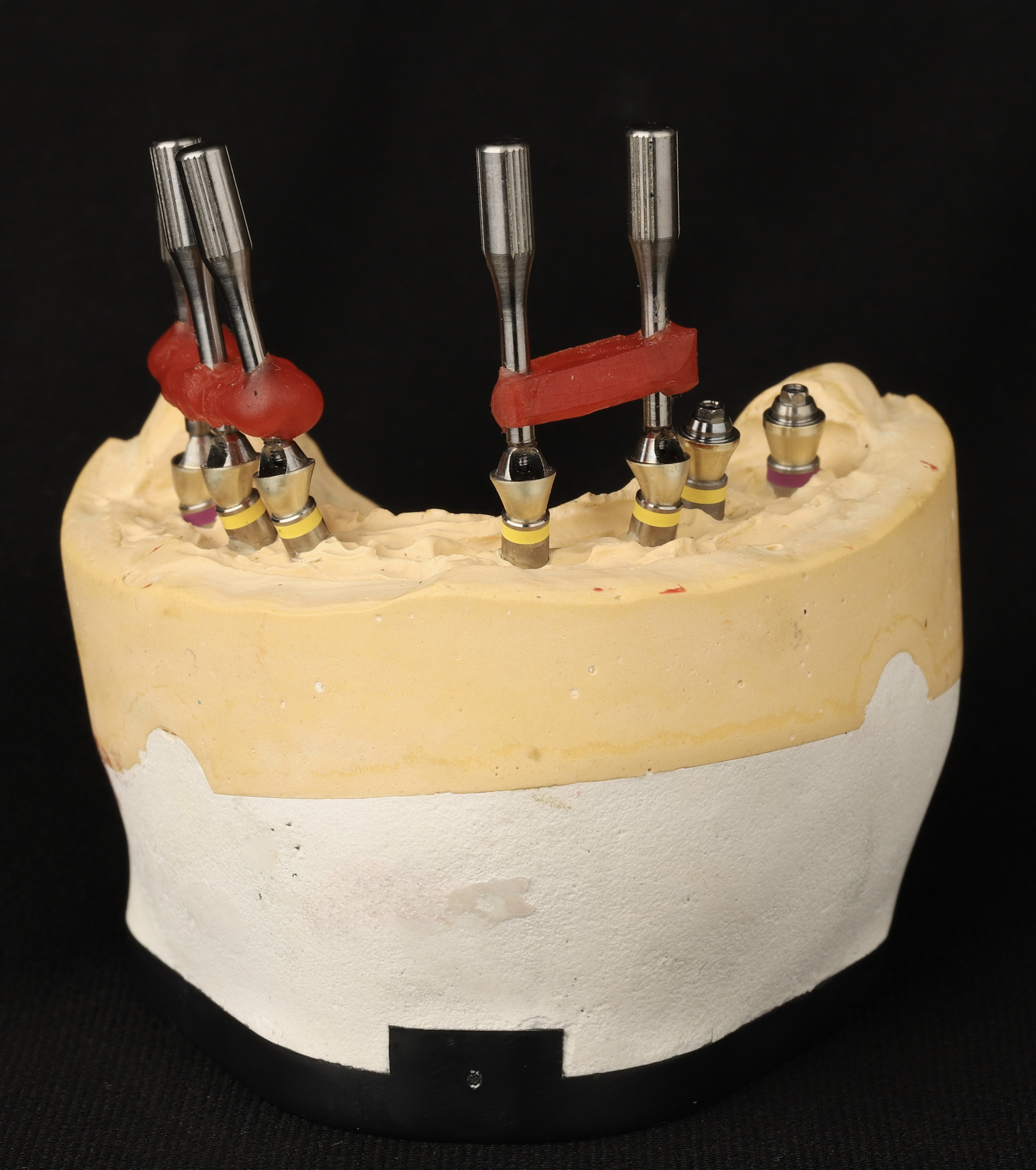
From the lab perspective, clinicians can sometimes underestimate the importance of accurate impressions, complete digital records and correct occlusal information in rehabilitation cases.
In complex restorations, the lab needs reliable data to reproduce the clinical situation correctly. Occlusion, vertical dimension, implant position and soft tissue information all play an important role in the final result. The more accurate the information provided by the clinic, the more predictable the laboratory outcome will be.
“Accurate impressions and occlusal information are essential in complex rehabilitation cases.”
4) Collaboration with clinicians
What information do you need from the clinic to deliver predictable outcomes consistently?
We need clear information about the patient’s needs and the treatment goals. Understanding what the clinician wants to achieve — functionally, aesthetically and biologically — helps the lab make better decisions throughout the workflow.
In addition to technical data, communication is key. When the clinic and laboratory are aligned from the beginning, it becomes easier to anticipate challenges, choose the right materials and components, and deliver a restoration that meets both clinical and patient expectations.
5) Experience with DESS®
What do you value most in a component supplier?
I value consistency in components and strong support. For a laboratory, consistency is essential because it allows us to work with confidence and reproduce reliable results case after case.
Support is also very important, especially when working with complex cases or different implant systems. Having a supplier that provides reliable components, technical assistance and workflow support helps the lab maintain quality and efficiency.
Where do DESS® solutions support your workflow most?
DESS® solutions support the laboratory workflow by offering many innovative options and high-quality products. This flexibility is very valuable in daily lab work, especially when dealing with different implant systems and different clinical requirements.
For a lab, having access to reliable components and a broad range of solutions helps simplify planning, improve efficiency and support predictable outcomes.
“DESS® supports the lab workflow with innovative options and high-quality products.”
What single advice would you give to labs and technicians who want to increase predictability and reduce remakes?
My advice is to invest in quality components. High-quality components help enhance predictability, improve fit and reduce the risk of remakes.
Predictability is not the result of one single step. It comes from accurate data, good communication, reliable materials, precise manufacturing and consistent quality control. For labs that want to improve results, every part of the workflow matters.
“Invest in quality components to enhance predictability.”
At DESS®, we believe that precision, quality and collaboration with leading professionals are the foundation of predictable and long-lasting implant solutions. We thank Kamal Jawabra for sharing his insights and experience with the DESS® community.
To see more of his clinical work, you can also explore Kamal Jawabra’s clinical cases on cementation protocols, available in our clinical cases section: DESS® clinical cases
This interview is part of our DESS® KOL Interview Series, where clinicians and dental technicians share practical insights on precision, predictability and evolving workflows in implant dentistry. Stay tuned for upcoming interviews.


-
Scan Bodies for Dental Implants: Common Errors That Affect Restoration Accuracy
 August 28, 2026
 -
Peri-Implant Soft Tissue and the Long-Term Success of Implant-Supported Restorations
August 21, 2026
-
Transepithelial abutments: DESS® solutions for screw-retained implant restorations
 July 29, 2026
 -
KOL Interview: Digital Workflows, Precision & Predictable Implant Restorations
July 28, 2026
-
Thinner ANGLEBase®: Restorative Design for Narrow Implant Platforms
 July 17, 2026