

Thinner ANGLEBase®: Restorative Design for Narrow Implant Platforms
The implant-restoration transition in restorative design
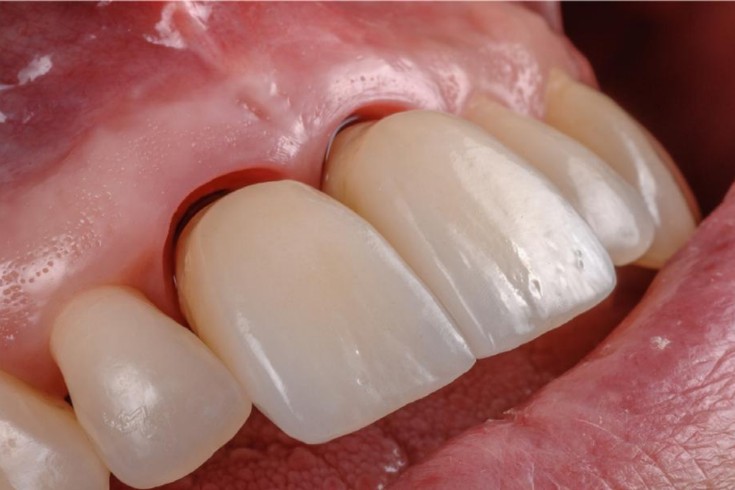
One of the primary objectives in implant prosthodontics is the development of an emergence profile that allows the restoration to integrate naturally with the surrounding peri-implant tissues.
However, achieving this objective often requires balancing multiple restorative and anatomical factors, including implant diameter, implant position, prosthetic space, soft tissue conditions, and screw access channel orientation. Together, these variables can significantly influence both the restorative design and the final clinical outcome.
As a result, increasing attention has been directed toward the implant-restoration transition and the role that restorative components play in prosthetic design. Advances in digital dentistry have expanded the possibilities available to clinicians and technicians, leading to the development of components designed to provide greater control over restorative contours, emergence profile development and prosthetic design.
The evolution of restorative components
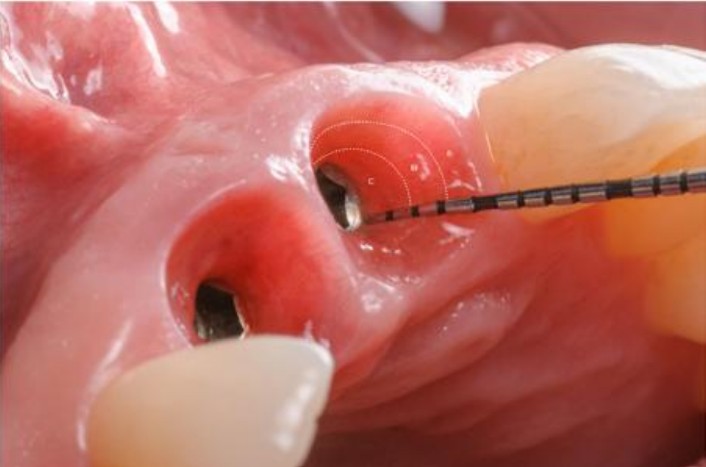
Digital dentistry has transformed the way implant-supported restorations are planned, designed and manufactured. Custom restorations can now be designed with high precision, transmucosal contours can be controlled more predictably, and the soft tissue architecture developed with provisional restorations can be transferred into the definitive digital design.
This evolution has also increased the expectations placed on prosthetic components.
Clinicians and laboratories increasingly require components that support a more controlled restorative design, combining favorable emergence profile development, reliable cement retention, mechanical stability, screw channel flexibility and full compatibility with established digital workflows.
In this context, the prosthetic component becomes more than a connection element. Its geometry directly affects the possibilities and limitations of the final restoration.
Addressing a common restorative limitation
One of the main drivers behind the development of Thinner ANGLEBase® was a clinical limitation observed when restoring narrow-diameter implants.
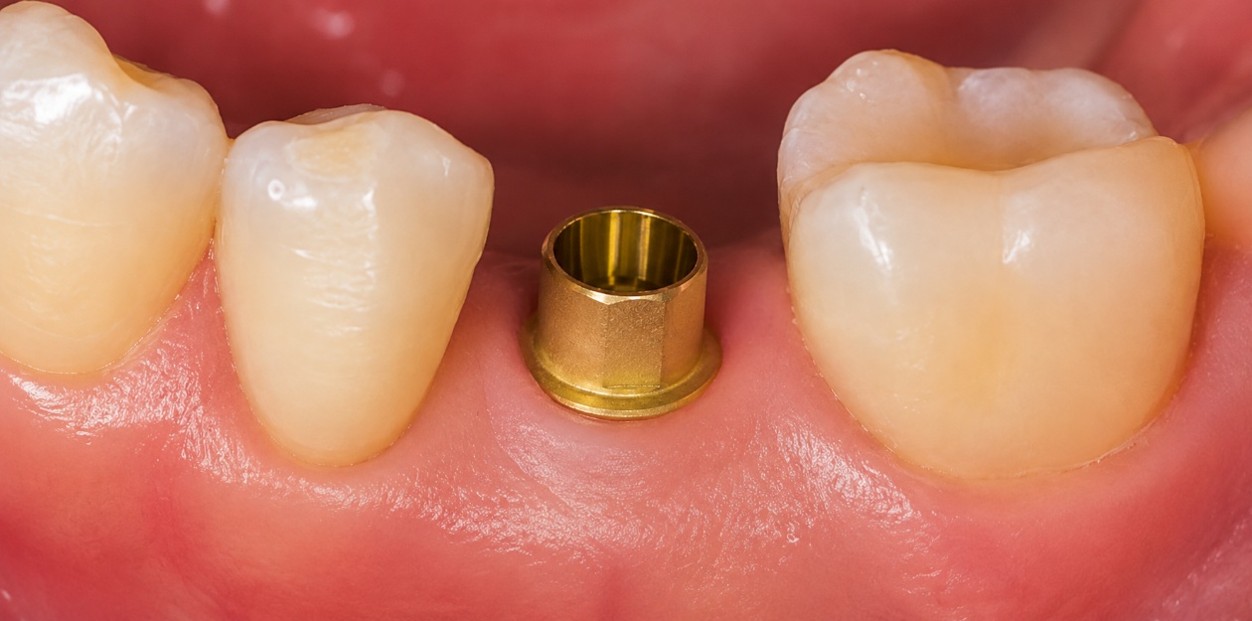
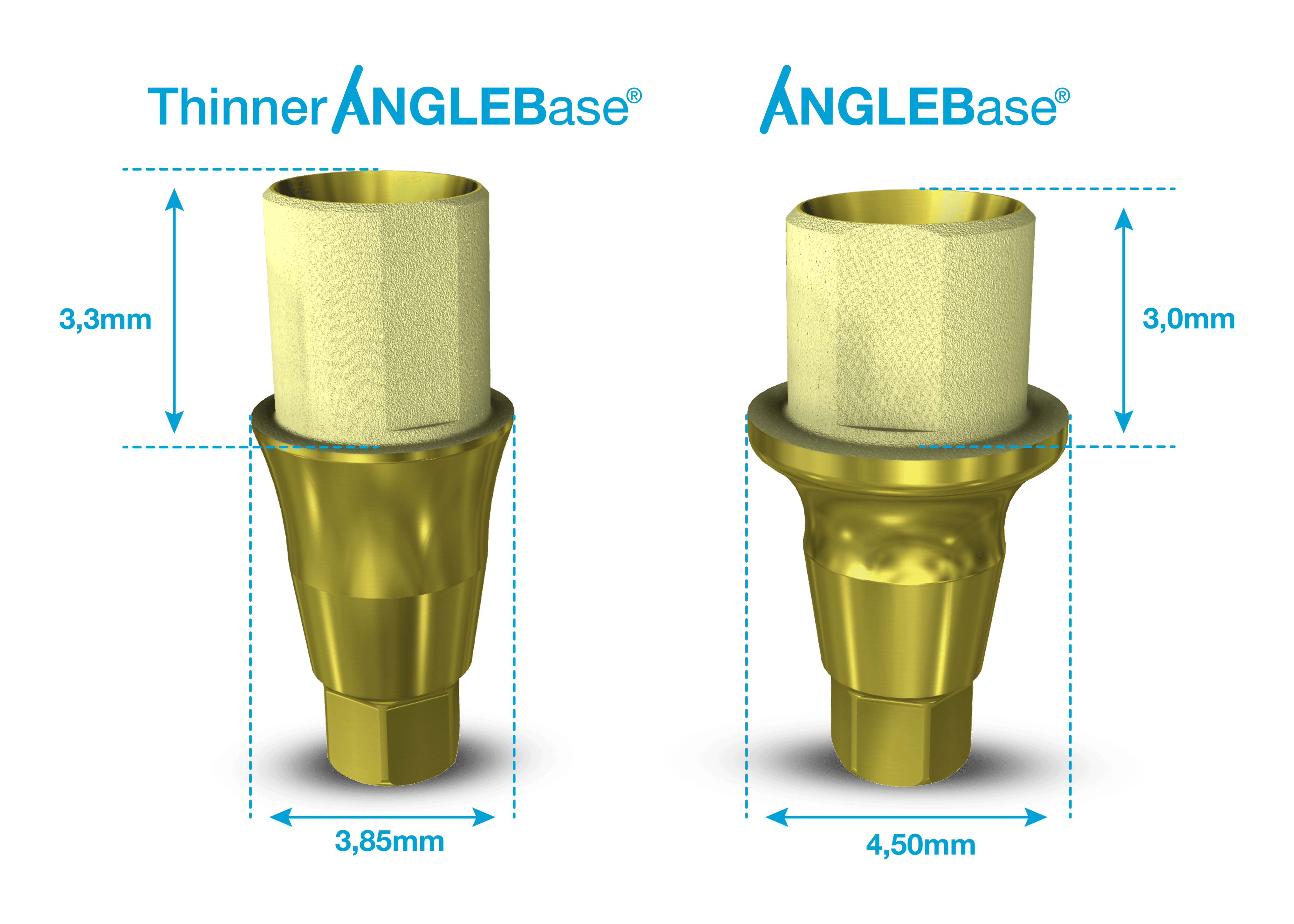
In implant platforms such as Ø3.0, Ø3.3 and Ø3.5 mm, the prosthetic platform of the previous ANGLEBase® generation (Ø4.1, Ø4.3 and Ø4.5 mm depending on the connection) could, in certain clinical situations, compromise insertion or restorative design due to limited mesio-distal space between adjacent teeth.
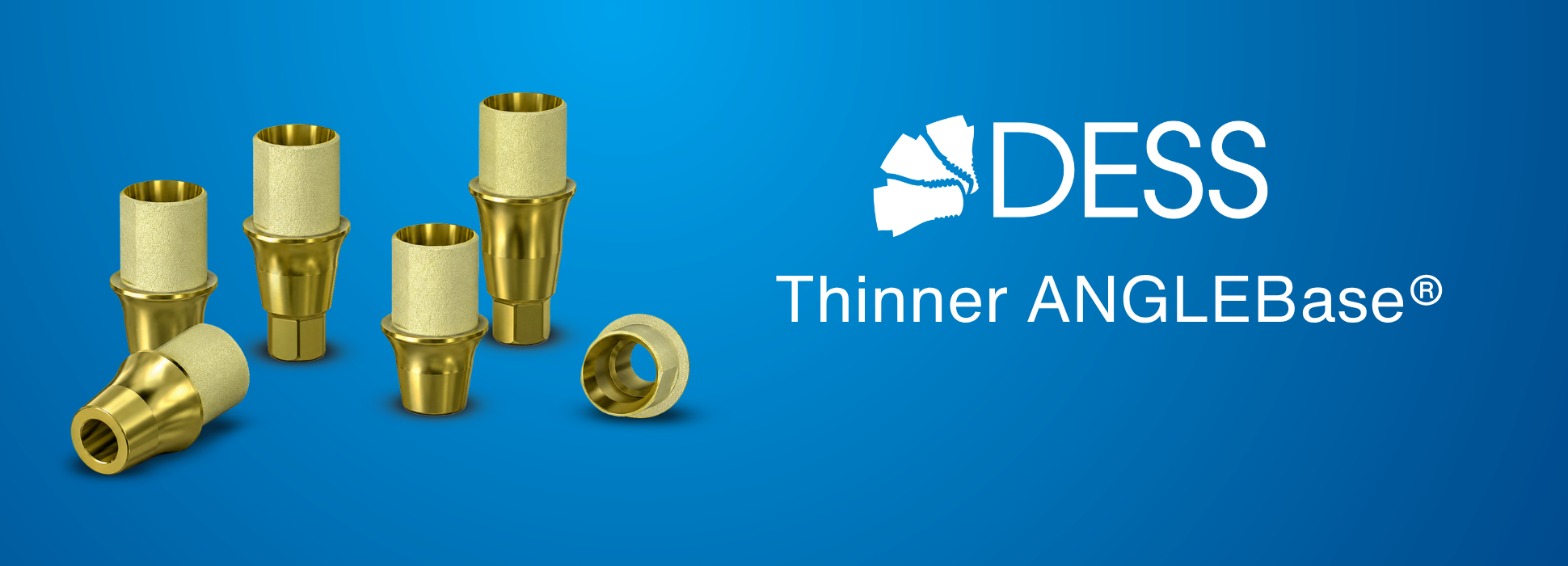
To overcome this limitation, DESS® developed Thinner ANGLEBase® with a reduced prosthetic platform diameter of 3.85 mm, specifically intended for narrow implant platforms. This optimized geometry facilitates restorative procedures in reduced interdental spaces while preserving the mechanical and restorative advantages of the ANGLEBase® concept.
Thinner ANGLEBase®: evolving the ANGLEBase® concept
Optimized emergence profile
The reduced diameter facilitates insertion when adjacent teeth limit the available mesio-distal space while enabling a smoother implant-restoration transition and greater flexibility during emergence profile development.
New gingival heights
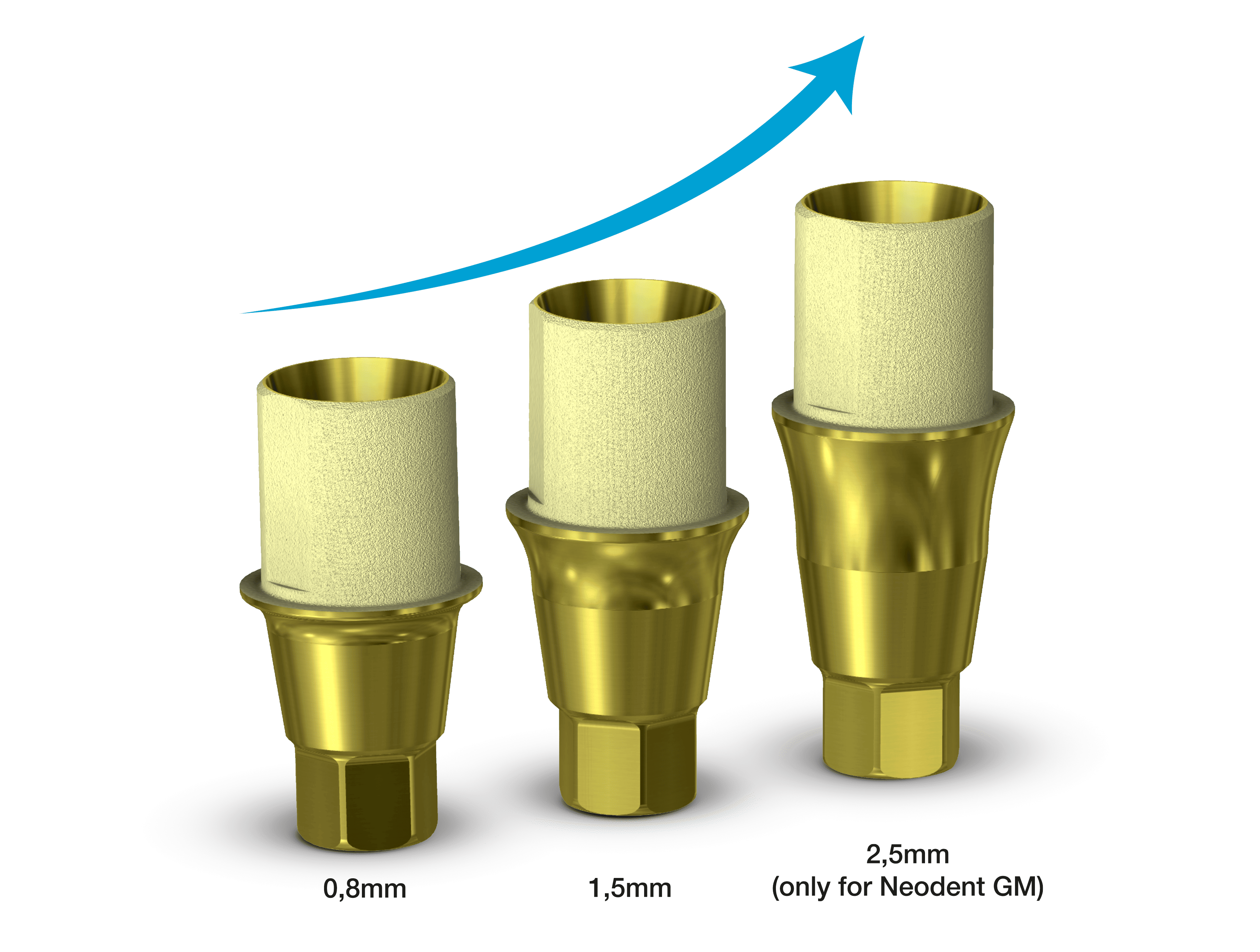
The introduction of new gingival heights of 0.8 mm and 1.5 mm expands the ability to adapt the component to different clinical situations and mucosal thicknesses.
For Neodent GM, the available range is further expanded with an additional 2,5 mm gingival height.
Enhanced cementation surface
As part of this evolution, the chimney height height has been increased from 3 mm to 3.3 mm compared with the previous generation.
This increase provides a larger contact area between the component and the restoration, optimizing cement retention and increasing the overall bonding surface.
In a comparative debonding test between ANGLEBase® and Thinner ANGLEBase®, the latter demonstrated a 23% increase in post-retention strength.
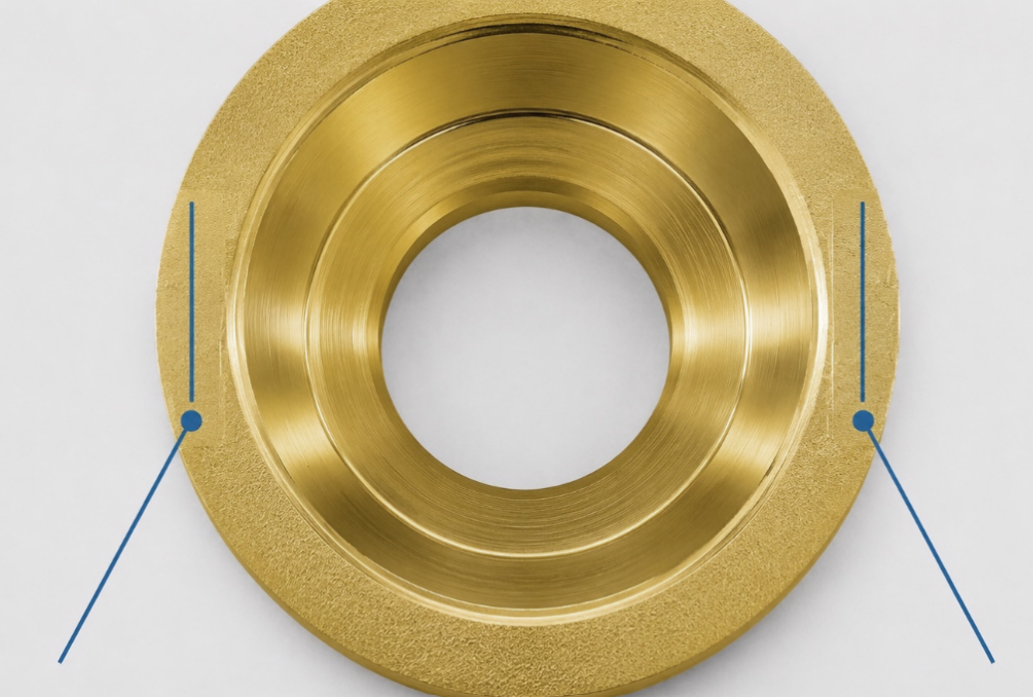
Dual flat geometry
The new configuration with two flat surfaces avoid any jiggle between the Ti-Base and the restoration and provides enhanced mechanical stability, helping to prevent micromovements or rotational displacement.
Angulated screw channel correction
Following the original concept of the ANGLEBase® system, Thinner ANGLEBase® allows to angle the screw channel up to 25° for aesthetic and functional purposes, enabling the screw channel to be oriented toward the palatal/lingual side while maintaining full 360° rotational freedom to select the most favorable restorative orientation.
Anodized surface
The gold-colored anodized surface supports improved aesthetic integration in implant-supported restorations, particularly in highly demanding aesthetic situations or when soft tissues are thin.
SelectGrip® technology
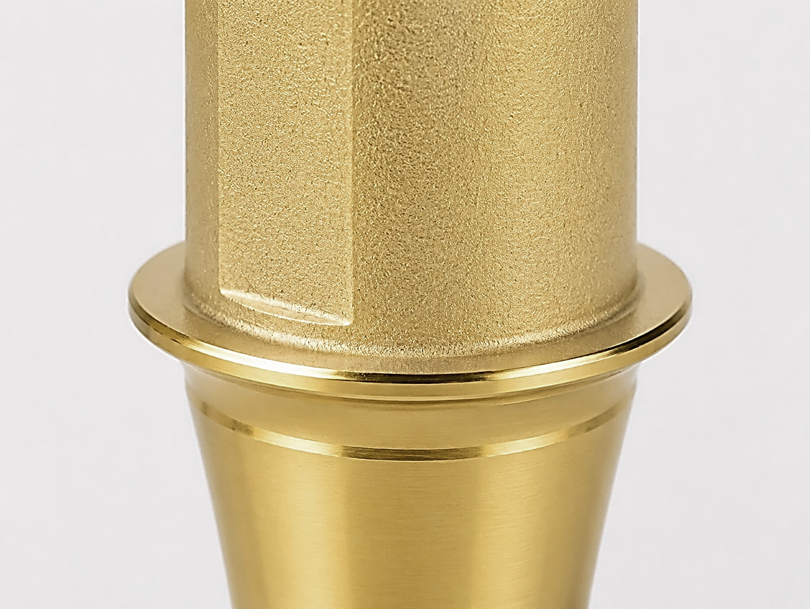
Thinner ANGLEBase® incorporates DESS® SelectGrip® technology, developed to optimize the mechanical retention of cement through a controlled surface treatment.
Surface conditioning is performed during the manufacturing process under standardized parameters, creating a uniform surface that promotes restoration adhesion and minimizes the need for additional clinical or laboratory procedures.
Digital workflow integration
The system is available for multiple connections and integrates scan bodies and CAD libraries for Exocad® and 3Shape®, enabling its integration into established digital workflows.
Compatible implant systems
Thinner ANGLEBase® is available for a wide range of narrow implant platforms, including some of the most commonly used implant connections on the market.
- Astra Tech EV 3.0
- Astra OsseoSpeed 3.0
- Nobel Active 3.0 and NP
- Straumann BLX
- Straumann Bone Level
- Zimmer TSV
- Neodent GM
- Osstem / Hiossen
- BioHorizons Internal 3.0
Conclusion
As digital workflows continue to expand the possibilities available in implant prosthodontics, restorative components are playing an increasingly important role in treatment outcomes.
The design of a Ti-Base no longer affects only the connection between the implant and the abutment or restoration and the abutment. It can also influence restorative contours, emergence profile development, cement retention, screw access channel orientation and the flexibility available during the restorative process.
The development of Thinner ANGLEBase® responds to the need for a more suitable restorative solution for narrow implant platforms, where conventional Ti-Base geometries may limit restorative space. By combining a reduced prosthetic diameter with an optimized emergence profile, improved cement retention, screw-channel correction and seamless integration into digital workflows, it expands restorative possibilities while supporting the esthetic, functional and biological objectives of contemporary implant dentistry.


-
Titanium in Implantology: A Scientific Perspective
 September 15, 2026
 -
Scan Bodies for Dental Implants: Common Errors That Affect Restoration Accuracy
 August 28, 2026
 -
Peri-Implant Soft Tissue and the Long-Term Success of Implant-Supported Restorations
August 21, 2026
-
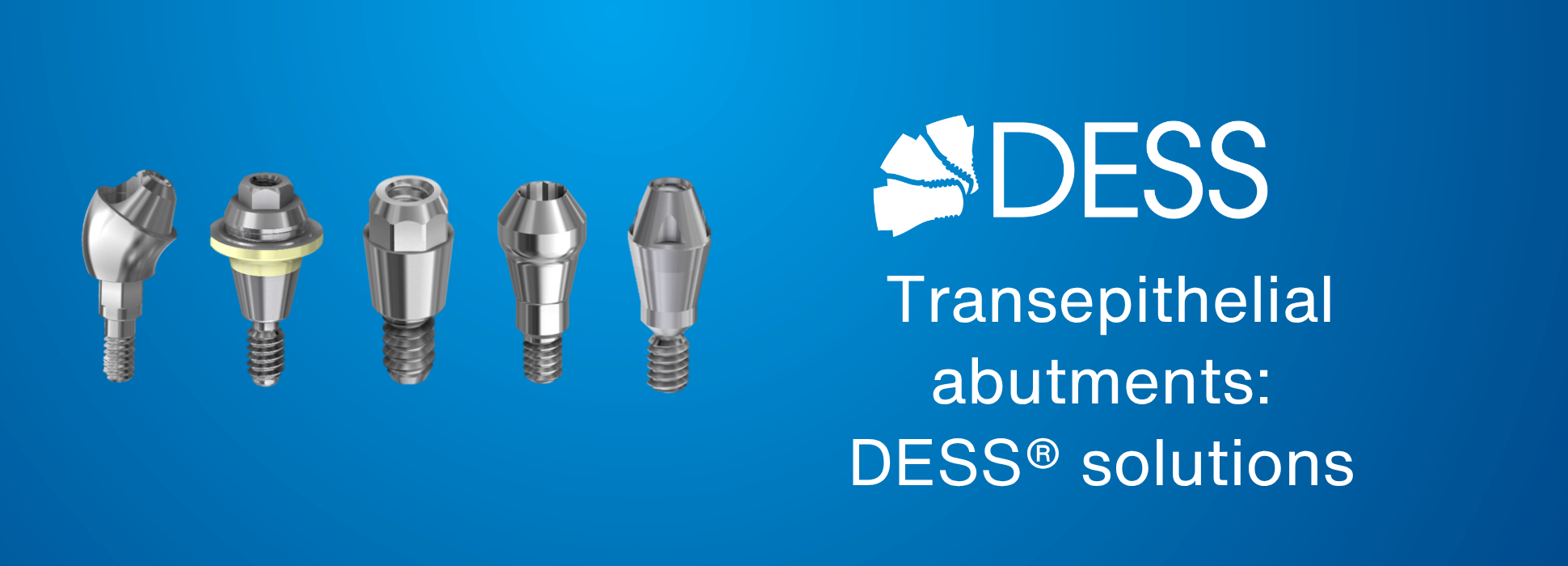
Transepithelial abutments: DESS® solutions for screw-retained implant restorations
 July 29, 2026
 -
KOL Interview: Digital Workflows, Precision & Predictable Implant Restorations
 July 28, 2026