

Transepithelial abutments: DESS® solutions for screw-retained implant restorations
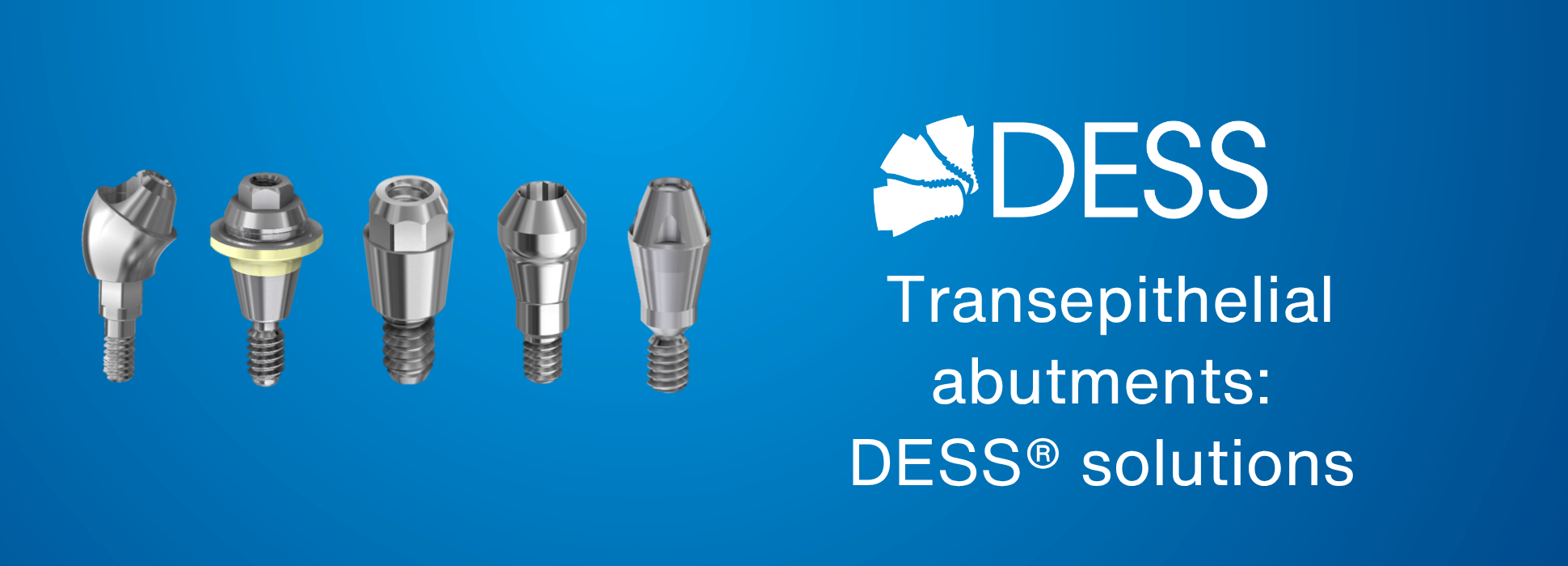
Transepithelial abutments: DESS® solutions for screw-retained implant restorations
Modern restorative implantology requires solutions that simplify prosthetic management, improve clinical accessibility and facilitate implant restoration in increasingly complex situations.
Transepithelial abutments, also known as transmucosal abutments, are prosthetic components that connect to the dental implant and pass through the soft tissue until they reach the oral cavity. Their function is to act as an intermediate component between the implant and the final restoration, providing mechanical and biological advantages to the implant–prosthesis complex.
In this context, transepithelial abutments have become a key element in implant-supported rehabilitations, especially in screw-retained restorations and digital CAD/CAM workflows. Restoring on an intermediate platform allows the prosthetic connection to be moved to a more coronal and accessible level, facilitating framework insertion, the management of angled implants and the resolution of restorative discrepancies.
In addition to optimizing the restorative workflow, transepithelial abutments also play an important role from a biomechanical and biological perspective, particularly in multiple-unit rehabilitations where passivity remains one of the most important biomechanical factors in implant-supported treatments. Although Multi-Unit Abutments are currently the best-known and most widely used transepithelial solution, other alternatives are available to meet different clinical, restorative and prosthetic needs.
What types of transepithelial abutments and components does DESS® offer?
Within its range of prosthetic solutions, DESS® offers a complete portfolio of transepithelial solutions designed to provide restorative flexibility across multiple implant platforms from leading implant brands.
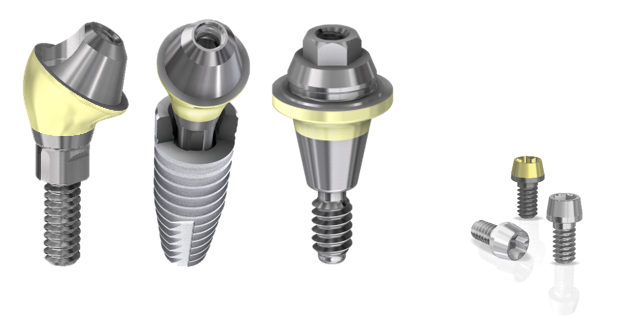
DESS® Multi-Unit Abutments: simplifying screw-retained implant restorations
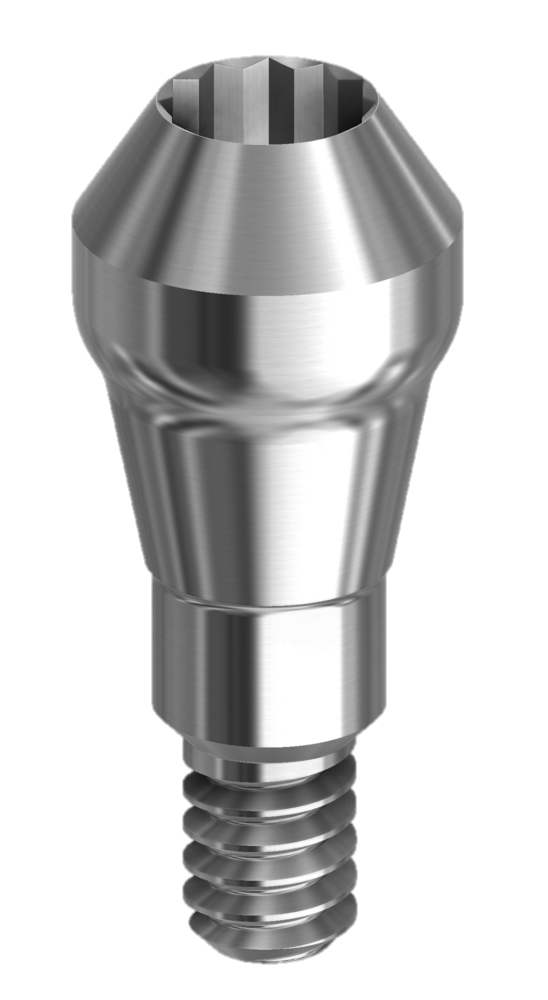
DESS® Multi-Unit Abutments are one of the most widely used solutions for screw-retained implant-supported rehabilitations.
The DESS® Multi-Unit Abutment line features a 4.8 mm prosthetic platform regardless of implant connection, allowing rehabilitation on different systems through a single upper prosthetic platform.
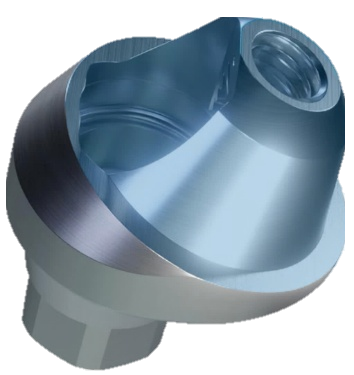
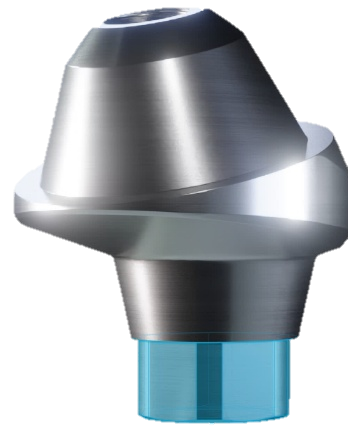
This philosophy helps simplify component management, reduce stock and standardize the restorative workflow in both the clinic and the laboratory.
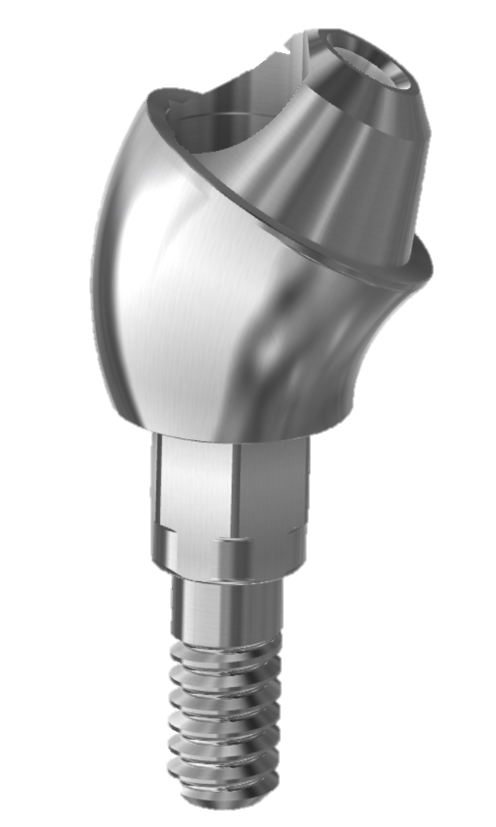
In addition, the different available angulations and gingival heights help compensate for divergences between implants and promote more predictable insertion of implant-supported frameworks, adapting to different clinical preferences and emergence profiles.
The DESS® Multi-Unit range includes:
- Multi-Unit Standard
- Multi-Unit Anatomic Profile
- MUA+ with Periocoat® surface
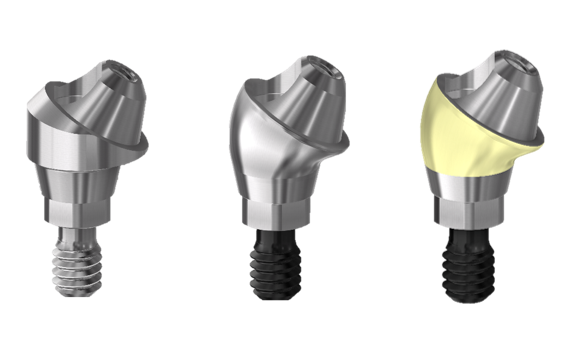
Within these solutions, DESS® also offers a specific version for the Brånemark WP connection, with a 6.0 mm platform. This solution is exclusive to this connection type and maintains the concept of restoring on a transepithelial platform while adapting to its specific prosthetic requirements.
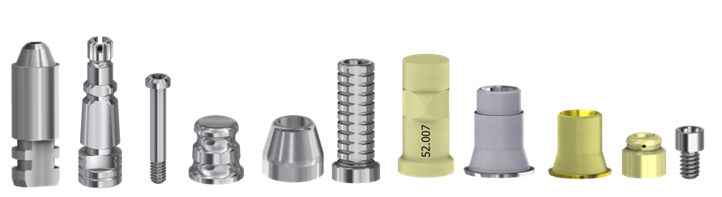
Components for Straumann® SRA: prosthetic solutions on a screw-retained abutment platform
DESS® also offers a wide range of components for working on the Straumann® Screw-Retained Abutment (SRA) platform, allowing this solution to be integrated into the restorative workflow.
In this case, DESS® has developed a complete line of solutions on SRA, for direct work on SRA or through a Ti-base.
To ensure the correct prosthetic compatibility of the system during restorative planning, it is important to consider that the Straumann® SRA platform (4.6 mm) works on a prosthetic configuration different from that used in the 4.8 mm DESS® Multi-Unit Abutments. Therefore, the components associated with both platforms are not interchangeable.
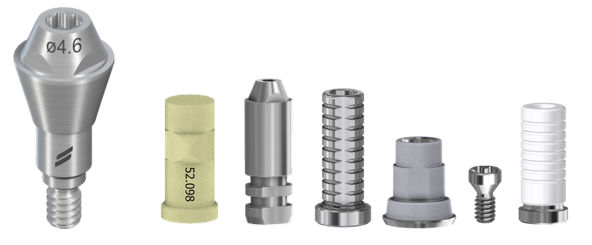
Converter Abutment: transforming internal connections into external platforms
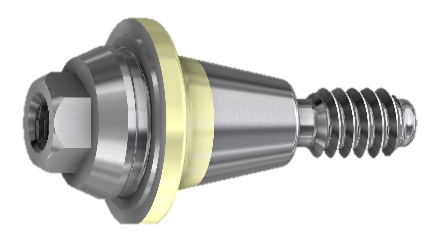
The DESS® Converter Abutment makes it possible to transform an internal Straumann® Tissue Level connection into an external octagonal restorative platform, facilitating restorative work on the transepithelial abutment rather than directly on the implant.
This solution is especially useful in rehabilitations where the aim is to simplify prosthetic access and work on an external Synocta® connection.
In addition to improving restorative versatility, it allows components associated with this type of platform to be integrated into the clinical and laboratory workflow.
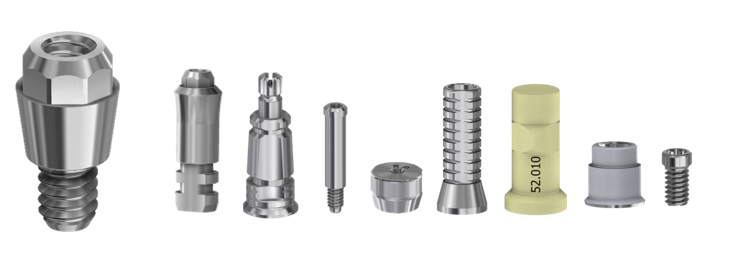
Uniabutment®: a transepithelial solution for complex rehabilitations
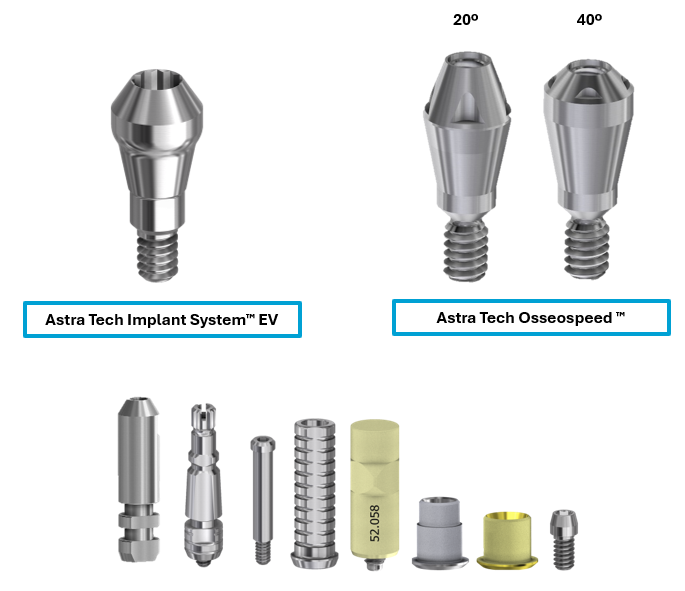
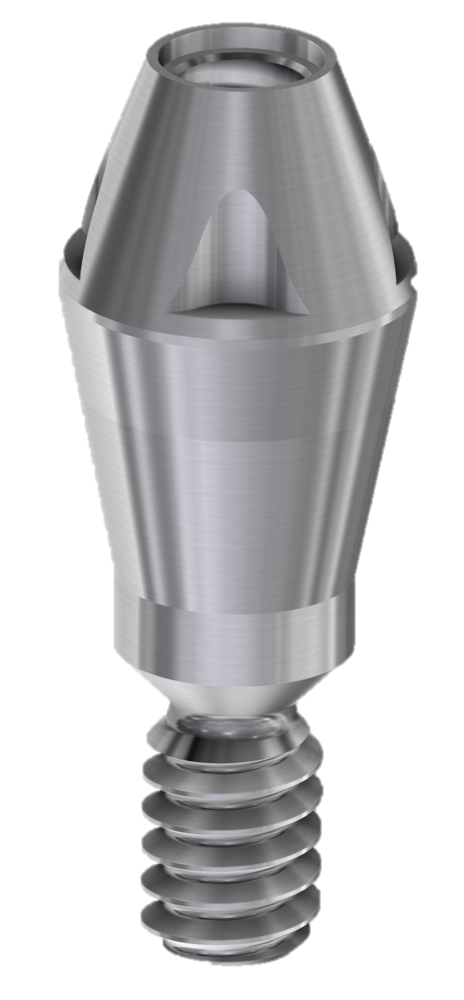
DESS® also manufactures the Uniabutment® component for Astra Tech Implant System™ EV and Astra Tech Osseospeed™ systems, as well as all associated prosthetic components for working on this platform.
This solution enables rehabilitation on an intermediate prosthetic platform and is especially useful in both single-unit and multiple-unit restorations, facilitating restorative management in situations with anatomical limitations, divergences between implants or angled implants.
The range includes different gingival heights and prosthetic angulations of 20° and 45° to adapt to different clinical scenarios.
Beyond the Multi-Unit
Transepithelial abutments are no longer a solution limited exclusively to full-arch rehabilitations; they have become an increasingly versatile restorative tool in modern implantology.
Beyond the Multi-Unit, different transepithelial approaches are available to respond to different mechanical, restorative and digital needs.
With this portfolio of solutions, DESS® aims to facilitate and offer different restorative workflow alternatives across multiple implant platforms, optimizing work in both the clinic and the laboratory.


-
Scan Bodies for Dental Implants: Common Errors That Affect Restoration Accuracy
 August 28, 2026
 -
Peri-Implant Soft Tissue and the Long-Term Success of Implant-Supported Restorations
August 21, 2026
-
Transepithelial abutments: DESS® solutions for screw-retained implant restorations
July 29, 2026
-
KOL Interview: Digital Workflows, Precision & Predictable Implant Restorations
 July 28, 2026
 -
Thinner ANGLEBase®: Restorative Design for Narrow Implant Platforms
 July 17, 2026