

KOL Interview: Digital Dentistry, Implant Planning & Predictability (Dr. Nikolaos S. Karatzeas)
Dr. Nikolaos S. Karatzeas (Karatzeas Dental Care Clinic, Kalamata)
Digital dentistry is reshaping everyday implant practice — not by changing the biological fundamentals, but by making workflows more accurate, efficient and predictable when protocols are followed consistently.
In this interview from our DESS® Clinical KOL Interview Series, we speak with Dr. Nikolaos S. Karatzeas, implantologist, oral surgeon and prosthodontist, about the trends that are most impacting outcomes today, where clinicians still struggle with guided workflows, and what truly supports long-term predictability at the component and tissue level.
Key takeaways
- Digital dentistry is one of the strongest drivers of predictability today, enabling simpler workflows and fewer errors when protocols are respected.
- Clinical excellence still relies on correct protocol execution, anatomy-driven decision-making and meticulous planning.
- Guided surgery can simplify complex cases, but accurate alignment between intraoral scans and CBCT (DICOMs) remains a common challenge.
- Long-term success depends on components that respect peri-implant tissue biology, ensuring stable interfaces and biocompatibility.
About the KOL
- Name: Nikolaos S. Karatzeas
- Role: Implantologist / Oral Surgeon / Prosthodontist
- Location: Kalamata, Greece
- Clinic: Karatzeas Dental Care Clinic
- Clinical focus: Full in-house CAD/CAM protocols for implantology and prosthodontics; regenerative procedures using biomaterials
- Experience: 10 years
1) Background & vision
In one minute, how would you describe your clinical focus today?
In today’s dental world, the integration of technology and access to different tools makes our dental treatments more predictable. In implantology and prosthodontics, there has been a major evolutionary leap in both digital and clinical protocols.
What has changed the most in implant dentistry over the last 10–15 years?
If we look back 10–15 years, implant dentistry hasn’t changed dramatically — the fundamentals are still the same. What has evolved is the surgical and manufacturing side of implant protocols, giving us the ability to achieve better clinical outcomes for patients.
“The fundamentals are still the same — what has evolved is the surgical and manufacturing side of implant protocols.”
2) Trends & predictability
Which trend is having the biggest impact on outcomes right now (and why)?
One of the biggest trends right now is digital dentistry. It has shown excellent clinical results, with easy workflows, fewer errors and fewer trials — supporting a smoother clinical environment for both clinician and patient.
In complex cases, what is the key factor that separates predictable results from average ones?
Predictability comes from correct execution of implant protocols and choosing the right tools and instruments. Anatomy is different for each patient, and these challenges or restrictions can be overcome when clinicians have versatility in their surgical instrument portfolio.
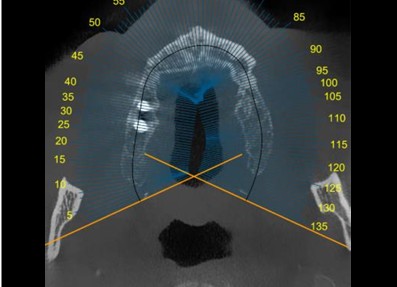
“Predictability comes from correct execution of implant protocols — and choosing the right tools.”
3) Digital workflow in daily practice
Where does digital planning bring you the most value in daily practice?
Digital planning is one of the most crucial steps for success in implant dentistry. Today, technology allows us to plan more accurately and visualise the final outcome, ensuring that predictability aligns with clinical expectations.
What are the most common challenges clinicians face when adopting guided surgery or digital workflows?
Guided surgery helps overcome surgical difficulties, which differ for each clinician. The true challenge is aligning intraoral scans with CBCT DICOMs. Designing a surgical guide that truly helps the clinician achieve the maximum potential remains challenging in many cases — especially in edentulous all-on-x workflows.
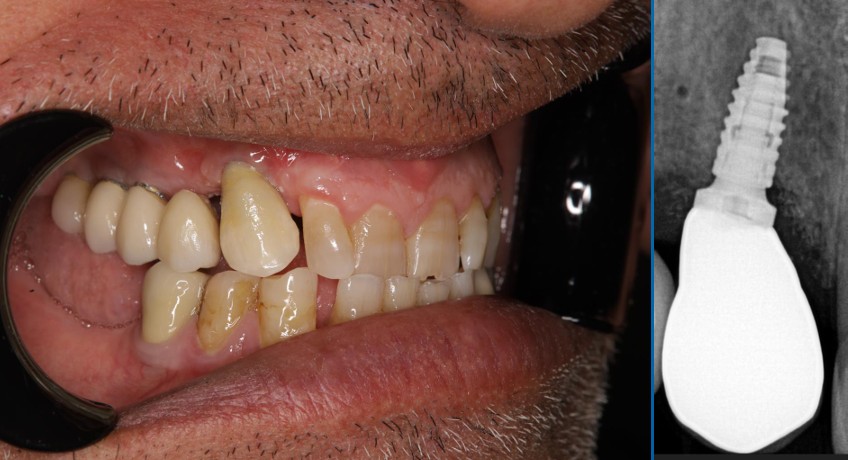
“The true challenge is aligning intraoral scans with CBCT DICOMs — especially in edentulous all-on-x cases.”
4) Components, interfaces & long-term results
What should clinicians always check at component/interface level to reduce long-term complications?
Long-term success depends on how well implant components respect the biology of surrounding tissues. Clinicians should ensure component design and fit support tissue health and do not contribute to bone loss or inflammation. A stable interface, precise connections and strong biocompatibility are essential — and maintaining healthy peri-implant tissues should always be the main priority.
5) Experience with DESS®
What do you value most in a prosthetic solutions provider?
Quality and versatility of components, combined with digital solutions that improve everyday dentistry.
Where do DESS® solutions make the clearest difference in your practice?
Easy-to-use surgical and lab workflows are key. Having one company that can provide high-quality implants as well as compatible components for major brands supports a smooth workflow environment in the clinic. CAD workflows — including well-organised libraries — help make treatments faster and more predictable.
What single advice would you give clinicians who want to improve predictability in implant cases?
Stick to implant protocols and human biology for predictable results. Dental excellence in implantology comes from experience, respecting anatomy and meticulous treatment planning. A correct plan is the key to long-term success — and each case should be treated with the same passion and care as if it were your first.
“A correct treatment plan is the key to long-term success — treat every case like it’s your first.”
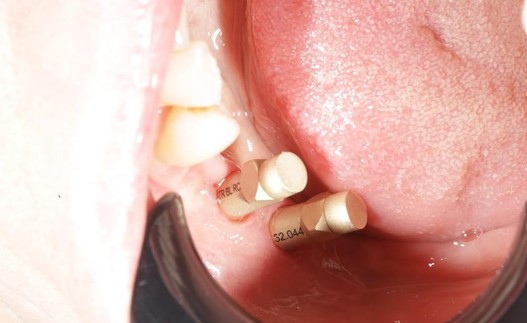
At DESS®, we believe that precision, quality and collaboration with leading professionals are the foundation of predictable and long-lasting implant solutions. We thank Dr. Nikolaos S. Karatzeas for sharing his insights and experience with the DESS® community.
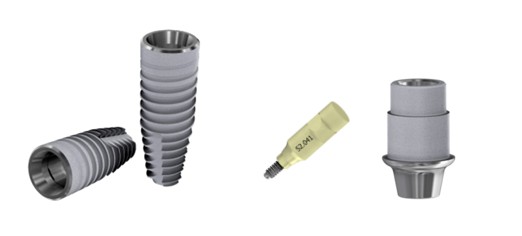
If you would like to see these principles applied in real clinical workflows, you can also explore Dr. Karatzeas’s clinical cases featuring DESS® Conical BLT implants — showcasing protocol-driven planning, tissue-focused decision-making and predictable restorative outcomes. Read the full clinical cases here.
This interview is part of our DESS® KOL Interview Series, where clinicians and dental technicians share practical insights on precision, predictability and evolving workflows in implant dentistry. Stay tuned for upcoming interviews.


-
Titanium in Implantology: A Scientific Perspective
 September 15, 2026
 -
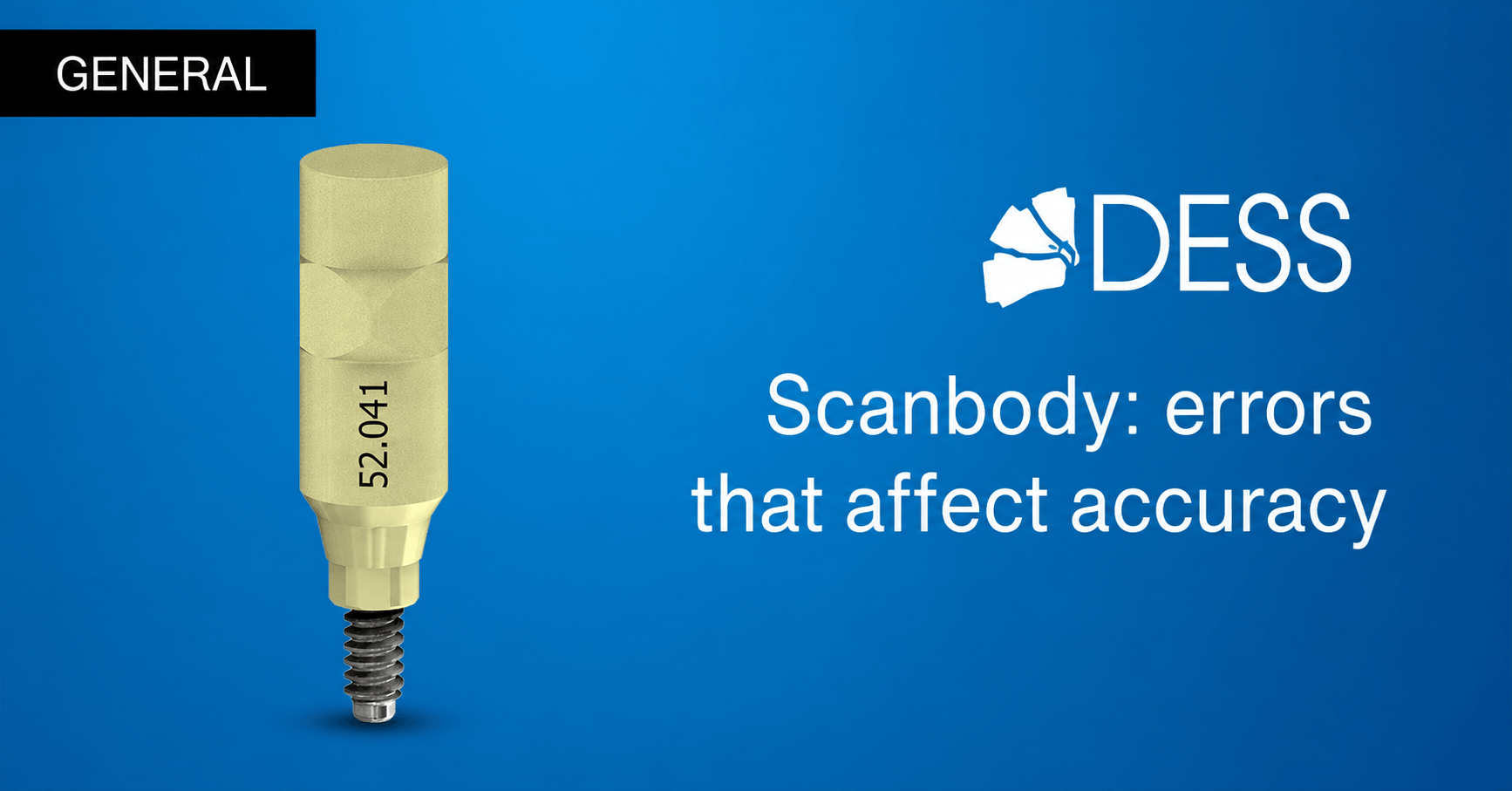
Scan Bodies for Dental Implants: Common Errors That Affect Restoration Accuracy
 August 28, 2026
 -
Peri-Implant Soft Tissue and the Long-Term Success of Implant-Supported Restorations
August 21, 2026
-
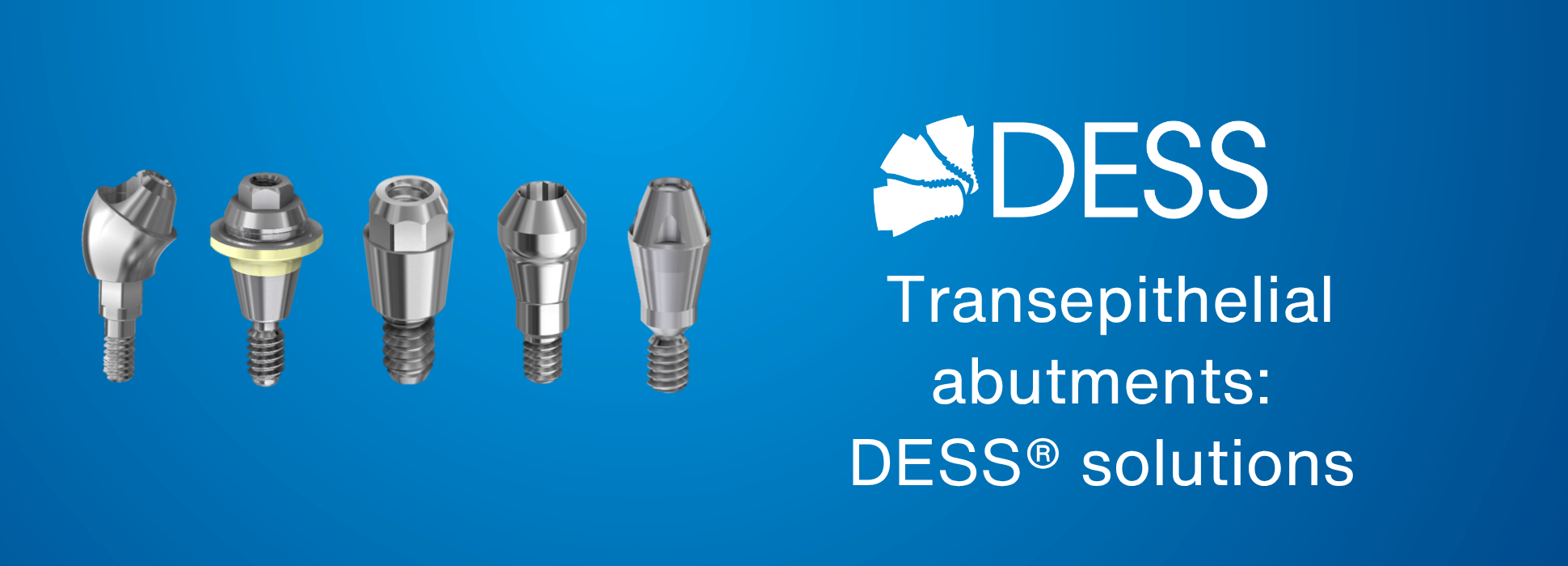
Transepithelial abutments: DESS® solutions for screw-retained implant restorations
 July 29, 2026
 -
KOL Interview: Digital Workflows, Precision & Predictable Implant Restorations
 July 28, 2026