

KOL Interview: Planning, Precision & Predictability in Implant Dentistry
Dr. Mats Christiansen — Tandvårdsakademin, Ystad, Sweden
Implant dentistry has evolved significantly over the last decades. While the biological and clinical fundamentals remain essential, today’s treatments are increasingly driven by aesthetics, advanced planning, component quality and long-term predictability.
In this interview from our DESS® Clinical KOL Interview Series, we speak with Dr. Mats Christiansen, implantologist at Tandvårdsakademin in Ystad, Sweden, about the challenges of advanced implant treatments, the importance of planning in complex cases, and why collaboration, education and high-quality components are key to achieving consistent outcomes over time.
Key takeaways
- Implant dentistry has shifted from purely functional rehabilitation towards a more aesthetic-driven approach.
- In complex cases, planning is the key factor that separates predictable results from average ones.
- Digital planning brings the most value in highly compromised cases, where precision is critical.
- Component quality, tolerance and fit are essential to reduce long-term complications.
- Continuous education and working with the right people are fundamental to improving clinical predictability.
About the KOL
- Name: Dr. Mats Christiansen
- Role: Implantologist
- Location: Ystad, Sweden
- Clinic: Tandvårdsakademin
- Clinical focus: Advanced implant and surgical treatments
- Experience: 25 years
1) Background & vision
In one minute, how would you describe your clinical focus today?
Our clinic is a referral practice handling a wide range of periodontal, prosthetic and implant treatments. With experience from three different countries, I have seen the complications and challenges involved in advanced treatments, and therefore we do everything we can to eliminate them.
Being part of clinical research projects and collaborations with suppliers, producers and universities, we strive to be a cutting-edge clinic when it comes to achieving high success rates over time.
What has changed the most in implant dentistry over the last 10–15 years?
The focus has changed from pure function and strict selection criteria to a more aesthetic-driven market, treating patients who would not have passed the threshold 20 years ago.
“The focus has changed from pure function to a more aesthetic-driven market.”
2) Trends & predictability
Which trend is having the biggest impact on outcomes right now?
One important trend is definitely abutment design and the development of treatment options involving tissue-level prosthetics.
In complex cases, what is the key factor that separates predictable results from average ones?
I would say planning is the key.
3) Digital workflow in daily practice
Where does digital planning bring you the most value in daily practice?
Digital planning brings the most value in the most compromised cases.
What are the most common challenges clinicians face when adopting guided surgery or digital workflows?
One of the main challenges is the lack of guidance from companies and sales representatives, as well as the lack of knowledge and experience among clinicians when adopting these workflows.
4) Components, interfaces & long-term results
What should clinicians always check at component/interface level to reduce long-term complications?
Quality is key. Clinicians should always try to work with serious companies that have long experience in producing high-end components.
Tolerance is essential for both active and passive fit of components, and this directly influences long-term performance and predictability.
“Tolerance is key to the active and passive fit of components.”
5) Experience with DESS®
What do you value most in a prosthetic solutions provider?
Having worked closely with the production teams of major implant companies, I value flexibility: the ability to improve components and adapt them to achieve better mechanical and biological outcomes.
Where do DESS® solutions make the clearest difference in your practice?
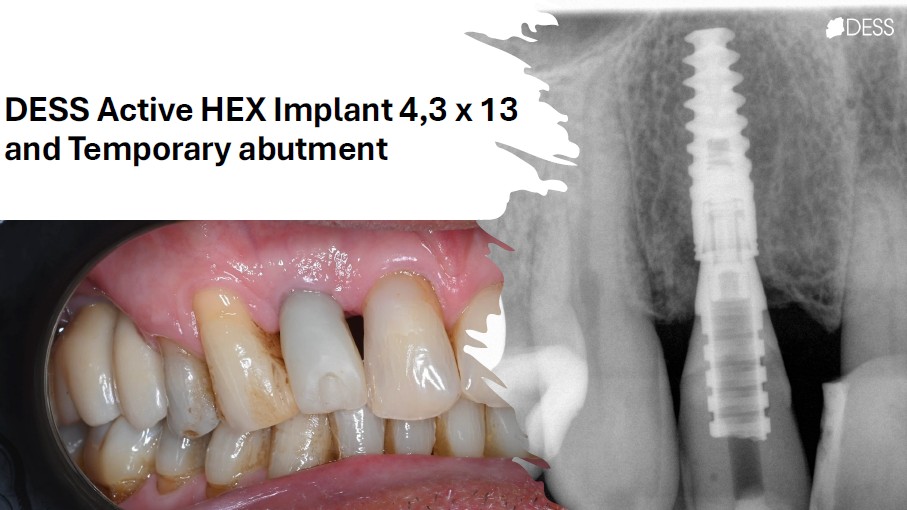
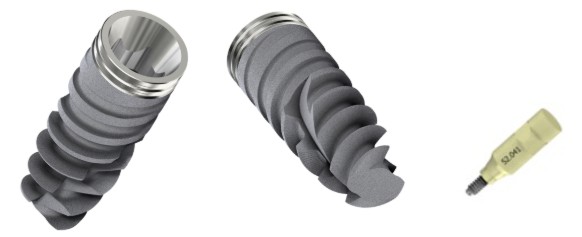
The wide scope of components compatible with almost all implant systems on the market makes a clear difference in practice.
What single advice would you give clinicians who want to improve predictability in implant cases?
Educate yourself. Team up with people who want to elevate you — not for self-gain, but to excel and become better together.
At DESS®, we believe that precision, quality and collaboration with leading professionals are the foundation of predictable and long-lasting implant solutions. We thank Dr. Mats Christiansen for sharing his insights and experience with the DESS® community.
This interview is part of our DESS® KOL Interview Series, where clinicians and dental technicians share practical insights on precision, predictability and evolving workflows in implant dentistry. Stay tuned for upcoming interviews.


-
Titanium in Implantology: A Scientific Perspective
 September 15, 2026
 -
Scan Bodies for Dental Implants: Common Errors That Affect Restoration Accuracy
 August 28, 2026
 -
Peri-Implant Soft Tissue and the Long-Term Success of Implant-Supported Restorations
August 21, 2026
-
Transepithelial abutments: DESS® solutions for screw-retained implant restorations
 July 29, 2026
 -
KOL Interview: Digital Workflows, Precision & Predictable Implant Restorations
 July 28, 2026