

Simplifying Restorative Workflows in Implant Dentistry with DESS® Solutions
Introduction
Modern implant dentistry increasingly demands restorative workflows that are not only precise, but also efficient, flexible and predictable across different clinical situations.
Clinicians and dental technicians routinely work with multiple implant systems, digital protocols, full-arch rehabilitations and conventional restorative procedures within the same treatment workflow. As this complexity continues to grow, prosthetic component selection plays an increasingly important role in both clinical efficiency and restorative predictability.
From intraoral scanning and CAD/CAM design to full-arch rehabilitation and overdenture maintenance, every stage of the restorative process depends on the correct integration between components, digital libraries and laboratory procedures.
DESS® supports clinicians and laboratories with a broad implant prosthetic portfolio designed to simplify restorative workflows, improve consistency and facilitate communication between clinic and laboratory environments.
Managing restorative complexity
In implant prosthetics, workflow predictability depends on more than the implant connection itself. Restorative success is influenced by the relationship between the implant platform, prosthetic component, screw, digital library and final restoration.
When these elements are correctly coordinated, the restorative process becomes more efficient and predictable. When inconsistencies appear, additional adjustments, repeated scans or remakes may become necessary.
This becomes especially relevant in daily practice, where clinicians frequently restore implants placed years earlier, work across different implant systems or manage cases referred from other clinics. A structured prosthetic portfolio can help simplify restorative decision-making while reducing avoidable complications throughout treatment.
Scan Abutments and CAD/CAM libraries: connecting the digital workflow
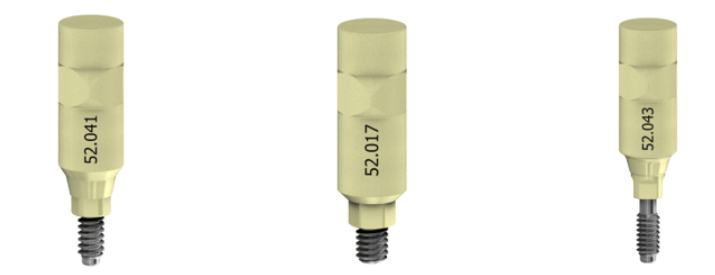
Digital workflows depend on accurate data transfer between the clinical and laboratory environments. The scan abutment, CAD/CAM library and final restorative component must correspond precisely to ensure an accurate prosthetic fit.
DESS® Scan Abutments and CAD/CAM libraries are designed to support this connection by facilitating accurate implant position transfer into the digital workflow.
In daily practice, this may support:
- Intraoral scanning workflows
- Laboratory scanning procedures
- CAD/CAM implant restoration design
- Communication between clinic, laboratory and milling centre
- Reduced risk of library-component mismatch
For clinics and laboratories working digitally, this integration between the physical component and the digital library plays a critical role in restorative predictability.
Conventional and hybrid restorative workflows still matter
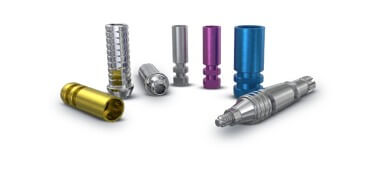
Although digital dentistry continues to expand rapidly, conventional and hybrid restorative workflows remain highly relevant in implant dentistry. Many clinical situations still require conventional impression transfers, analogues, temporary abutments or mixed analog-digital procedures.
A complete restorative portfolio should therefore support both digital and conventional techniques, allowing clinicians and technicians to adapt the workflow according to each clinical indication rather than being limited to a single protocol.
DESS® offers solutions for both conventional and digital restorative workflows, supporting flexibility across different treatment approaches and laboratory preferences.
MUA+ Multi-Unit Abutments: improving full-arch restorative efficiency
Full-arch implant-supported restorations require precise management of implant angulation, soft tissue profiles and prosthetic passivity. In these rehabilitations, restorative standardisation can significantly simplify both clinical and laboratory procedures.
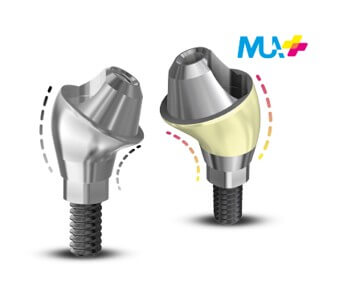
DESS® MUA+ Multi-Unit Abutments are designed to support screw-retained multi-unit and full-arch restorations by creating a common restorative platform, even when implants present different positions or angulations.
From a clinical perspective, MUA+ solutions may support:
- Full-arch and All-on-X restorations
- Screw-retained restorative protocols
- Management of implant angulation
- Improved restorative accessibility
In complex rehabilitations, this type of restorative platform can help reduce prosthetic variability and facilitate a more predictable restorative sequence from impression or scan to final delivery.
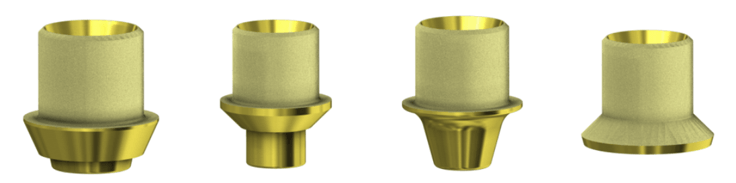
ANGLEBase®: flexibility for angulated screw-channel restorations
Implant position does not always allow an ideal screw-access channel. Anatomical limitations, implant angulation or restorative requirements may compromise the ideal emergence of the screw channel, particularly in aesthetic regions.
ANGLEBase® by DESS® is designed to support angulated screw-channel restorations, helping clinicians and technicians redirect the screw-access channel while maintaining the advantages of screw-retained prosthetics.
This solution may be particularly useful in:
- Aesthetic anterior restorations
- Cases with divergent implant angulations
- CAD/CAM customised restorations
- Cases where cement-retained solutions are less desirable
- Situations requiring improved screw-access positioning
By improving restorative flexibility, ANGLEBase® can help simplify treatment planning while maintaining prosthetic accessibility and retrievability.
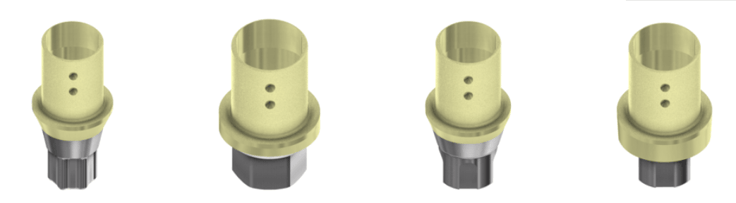
ELLIPTIBase®: expanding restorative possibilities in limited prosthetic spaces
Limited mesio-distal space remains a common restorative challenge, especially in anterior regions and narrow edentulous spaces where conventional restorative geometries may compromise the prosthetic design.
ELLIPTIBase® by DESS® is designed specifically for these situations. Its elliptical geometry helps optimise restorative space management while supporting customised CAD/CAM restorations in anatomically demanding scenarios.
In clinical and laboratory workflows, ELLIPTIBase® may be particularly relevant for:
- Narrow restorative spaces
- Anterior implant restorations
- Reduced mesio-distal dimensions
- Customised CAD/CAM restorations
By adapting the component geometry to the restorative limitation, ELLIPTIBase® helps expand the treatment possibilities available to clinicians and technicians.
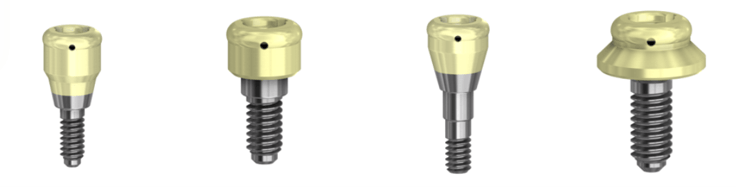
DESSLoc®: simplifying overdenture maintenance
Implant overdentures remain an important treatment option for many patients, particularly when long-term hygiene access, retrievability and maintenance are essential considerations.
DESSLoc® is the DESS® solution for overdenture restorations, designed to support retention management and simplify maintenance procedures over time.
In everyday clinical practice, DESSLoc® may support:
- Implant-retained overdentures
- Retention replacement protocols
- Chairside maintenance appointments
- Hygiene accessibility around abutments
- Long-term removable prosthetic care
For clinics and laboratories, a structured overdenture attachment system can help simplify both the restorative phase and future maintenance protocols.
Reducing avoidable restorative complications in daily practice
Many complications in implant prosthetics originate from small selection errors: incorrect platform identification, mismatched screws, unsuitable gingival heights or inconsistencies between restorative components and digital libraries.
These situations may lead to repeated appointments, additional scans, laboratory remakes or delays in final restoration delivery.
A structured restorative system helps reduce these risks by improving component identification and restorative consistency throughout the workflow. When clinicians and technicians can work with clearly organised restorative solutions, communication becomes more efficient and treatment predictability improves.
A practical approach to everyday implant dentistry
Modern implant dentistry requires restorative solutions capable of supporting not only clinical precision, but also efficiency, flexibility and long-term workflow predictability.
As restorative protocols continue to evolve, clinicians and dental technicians increasingly need solutions that integrate seamlessly across digital and conventional workflows, multiple implant systems and different restorative indications.
Beyond individual components, restorative success often depends on how effectively the entire workflow can be coordinated, from implant identification and digital capture to prosthetic delivery and long-term maintenance.
Through a wide range of restorative solutions, DESS® helps clinicians and dental technicians manage digital and conventional implant workflows with greater flexibility, fewer workflow interruptions and more confidence in everyday clinical cases.


Dra. Patricia Isaac is a dentist and specialist in Oral Rehabilitation at DESS® and is part of our technical support department. She assists and supports our customers with technical issues about products, dental implants and prosthetic abutments, among others.
-
Titanium in Implantology: A Scientific Perspective
 September 15, 2026
 -
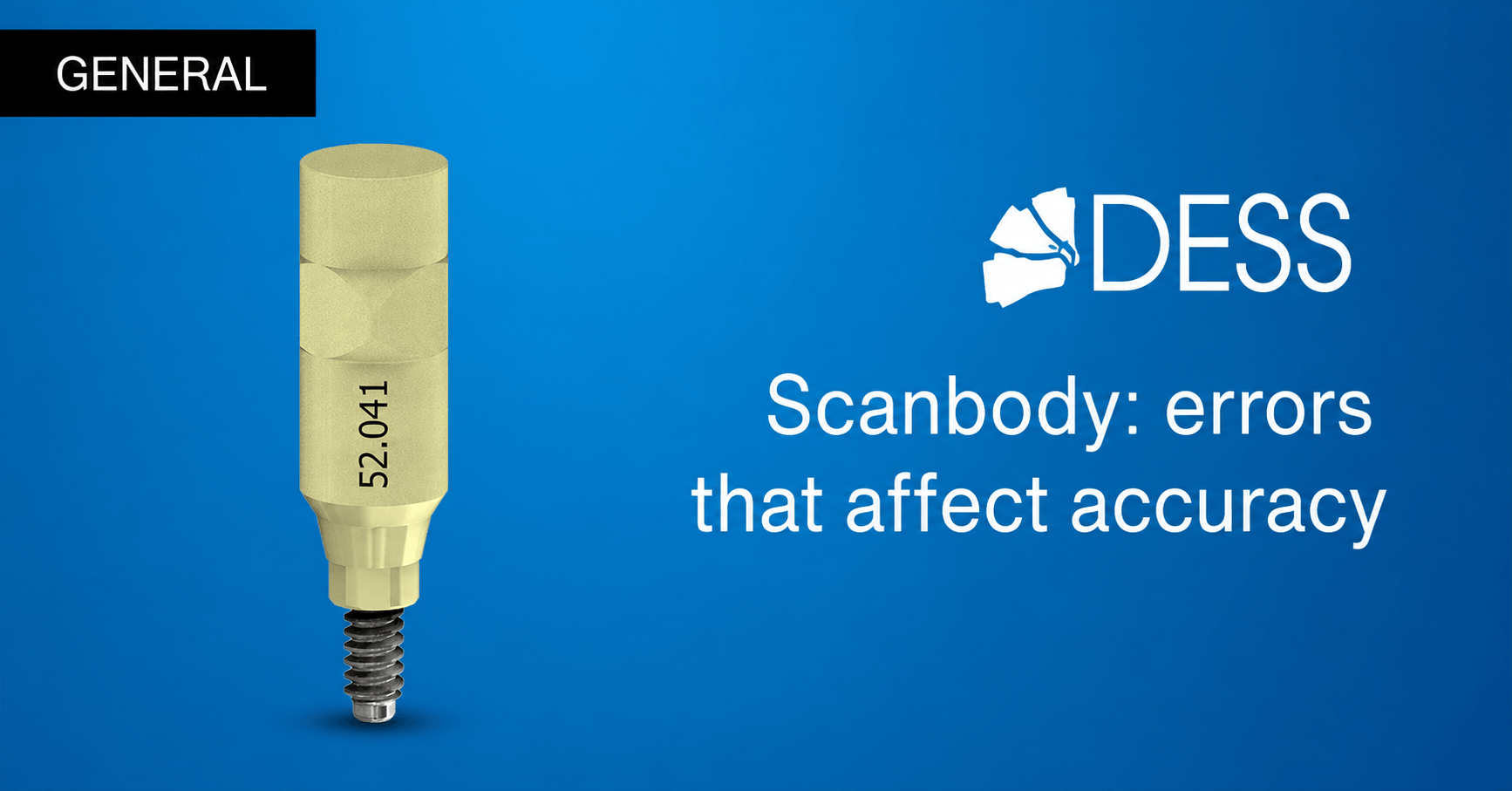
Scan Bodies for Dental Implants: Common Errors That Affect Restoration Accuracy
 August 28, 2026
 -
Peri-Implant Soft Tissue and the Long-Term Success of Implant-Supported Restorations
August 21, 2026
-
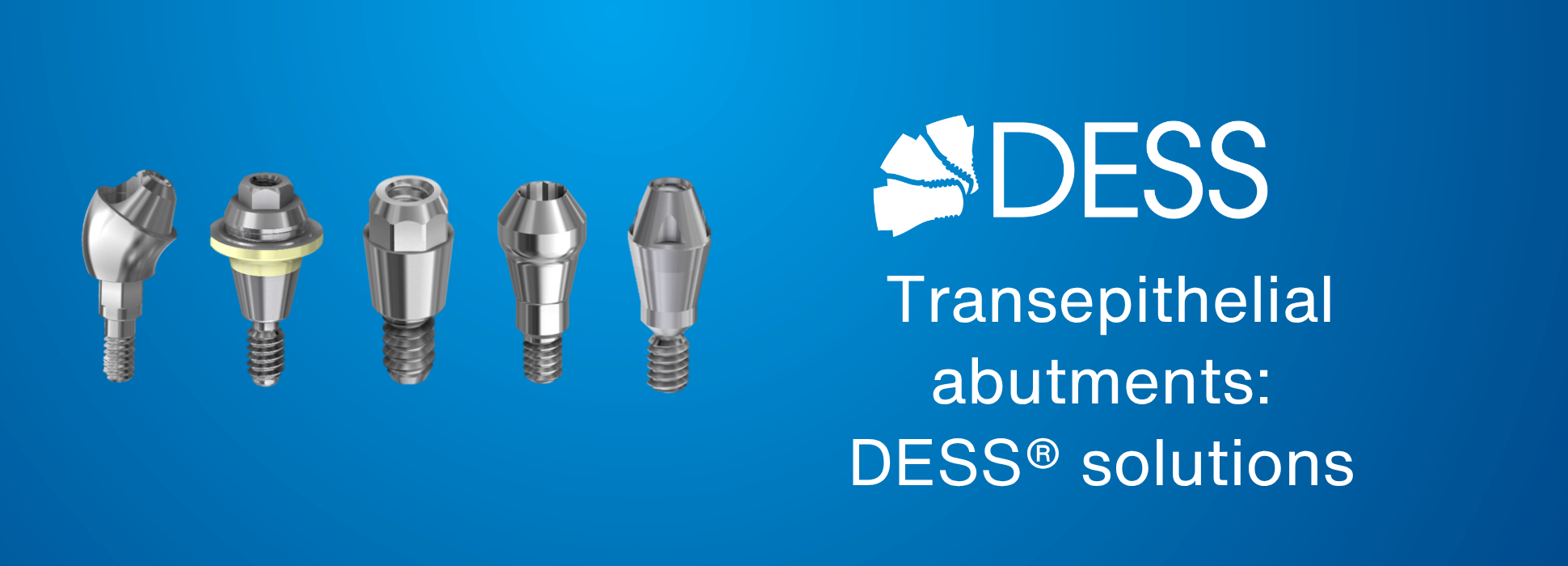
Transepithelial abutments: DESS® solutions for screw-retained implant restorations
 July 29, 2026
 -
KOL Interview: Digital Workflows, Precision & Predictable Implant Restorations
 July 28, 2026